Congestive Heart Failure (CHF) is a serious health problem that affects many people around the world. It happens when the heart can’t pump blood well, causing fluid to build up in the lungs, legs, and other areas of the body.
It’s important to notice the early signs because acting early can stop serious issues from happening. Many people don’t pay attention to small symptoms like feeling tired, having trouble breathing, or noticing swelling, which could be signs of heart failure.
Understanding these signs and seeking medical help from a qualified specialist like Dr. Manish Juneja The Heart Specialist,doctor in nagpur can make a significant difference in your heart health.
Early Warning Signs of Congestive Heart Failure
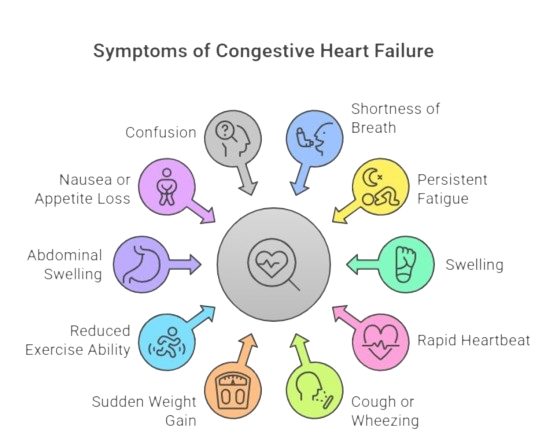
Identifying the early symptoms of congestive heart failure is vital for effective management. Patients often experience persistent fatigue, breathlessness during routine activities, and swelling in the ankles, legs, or abdomen.
Other signs might be a fast or irregular heartbeat, coughing, or wheezing, especially at night. Symptoms of left-sided congestive heart failure can include trouble breathing when lying down or sudden weight gain from fluid buildup.
Talking to a highly rated cardiologist, such as Dr. Manish Juneja, can help catch the problem early and start treatment, which can lower the chance of serious issues.
10 Key Symptoms to Watch Out For in Congestive Heart Failure
1. Shortness of Breath
People often feel out of breath, which is called dyspnea, early on when they have congestive heart failure. They may find it hard to breathe during normal activities such as walking up stairs, taking a walk, or doing simple tasks around the house.
Symptoms may worsen when lying down or at night, causing interrupted sleep. Timely detection is essential to prevent progression.
- Trouble breathing during physical activity
- Nighttime breathlessness (orthopnea)
- Needing extra pillows to sleep
- Shortness of breath worsens over time
2. Persistent Fatigue
Feeling really tired even after getting enough sleep might be a sign of early congestive heart failure. This tiredness happens because the heart isn’t pumping enough oxygen-filled blood to the body, which lowers energy.
People might have trouble doing everyday activities, feel weak, or get very exhausted from doing small things. Spotting tiredness early can help get medical help sooner.
- Low energy throughout the day
- Weakness during simple tasks
- Feeling tired after small exertions
- Difficulty maintaining regular routines
3. Swelling in Legs, Ankles, and Feet
Edema, which is swelling in the legs and feet, is a common sign of congestive heart failure. When the body holds onto too much fluid, shoes and socks can feel tight, and you might notice lines or marks on the skin.
Spotting swelling early can help avoid serious problems and make living easier and more comfortable.
- Puffiness in feet and ankles
- Tight shoes or socks
- Skin indentation after pressure
- Swelling increases during the day
4. Rapid or Irregular Heartbeat
A racing, irregular, or fluttering heartbeat (palpitations) can be an early indicator of CHF. The heart tries to compensate for poor pumping efficiency, which may result in arrhythmias.
Identifying these symptoms early allows timely management to prevent serious complications.
- Feeling heart racing or fluttering
- Irregular heartbeat episodes
- Palpitations during activity or rest
- Occasional skipped beats
5. Persistent Cough or Wheezing
A long-lasting cough or wheezing might mean there is fluid in the lungs because of heart failure. This cough can bring up white or slightly pink mucus.
If you keep coughing, you should not ignore it, especially if you are also having other signs of heart failure.
- Lingering cough not linked to cold
- Wheezing while breathing
- White or pink-tinged sputum
- Worse during nighttime or lying down
6. Sudden Weight Gain
Rapid, unexplained weight gain is a warning sign of fluid retention in CHF. Patients should monitor their daily weight, as sudden increases can indicate worsening heart failure.
Early intervention can prevent severe fluid accumulation and hospitalization.
- Quick weight gain over days
- Swelling in legs or abdomen
- Clothes feeling tighter
- Unexplained bloating
7. Reduced Ability to Exercise
Even mild physical exertion may cause extreme fatigue or shortness of breath in CHF patients.
Reduced exercise tolerance often precedes more severe symptoms and indicates the heart’s declining ability to supply oxygen efficiently.
- Struggling with routine exercises
- Breathlessness during light activity
- Fatigue after climbing stairs
- Limited physical stamina
8. Swelling of Abdomen
Fluid can build up in the belly area (ascites), leading to a swollen stomach, a bloated feeling, or a sense of being full.
This swelling might not always be noticed, but it’s an important sign that the heart failure has gotten worse. Spotting it early is essential for better treatment.
- Visible bloating in stomach area
- Abdominal discomfort or fullness
- Sudden clothes tightness
- Swelling accompanied by leg edema
9. Nausea or Lack of Appetite
Digestive issues like nausea or decreased appetite can occur in CHF due to poor blood flow to the digestive organs. T
hese symptoms may seem unrelated to the heart but are important early warning signs of heart failure.
- Feeling nauseous without reason
- Loss of appetite
- Mild stomach discomfort
- Unintentional weight changes
10. Confusion or Impaired Thinking
Reduced blood flow to the brain can lead to memory problems, confusion, or difficulty concentrating, particularly in older adults.
Recognizing cognitive changes early allows timely diagnosis and prevents severe CHF complications.
- Difficulty focusing or remembering
- Mental fog or confusion
- Trouble making decisions
- Symptoms worsen during exertion
The Causes and Pathophysiology of CHF
Congestive heart failure happens when the heart can’t pump blood properly. This can be caused by things like high blood pressure, blocked arteries, or problems with heart valves. When the left side of the heart is affected, people often feel out of breath, have swelling, and feel tired.
If the right side is affected, it can lead to swelling in the legs and belly. The body’s response involves changes in hormones, changes in how the heart muscles work, and too much fluid in the body. If not treated, these issues can get worse and lead to serious health problems.
Learning about congestive heart failure pathophysiology ppt can help patients understand the disease better and follow preventive measures recommended by best angioplasty doctors like Dr. Manish Juneja.
Conclusion
Recognizing congestive heart failure early is crucial for timely treatment and a better quality of life. If you or your loved ones notice any signs of CHF, don’t wait, consult the Best Rated Cardiologist by Google, Dr. Manish Juneja The Heart Specialist in Nagpur.
Early diagnosis and proper management can prevent serious complications and help keep your heart healthy for years.
Schedule a consultation today at https://drmanishjuneja.com/ and take the first step toward protecting your heart health.
FAQ’s
1. What are the earliest symptoms of congestive heart failure?
Early signs of congestive heart failure include shortness of breath, fatigue, swelling in legs or ankles, and difficulty breathing while lying down. Early recognition and timely consultation with Dr. Manish Juneja – The Heart Specialist can prevent complications.
2. How is congestive heart failure diagnosed?
Diagnosis typically includes physical examination, ECG, echocardiography, blood tests, and medical history evaluation. Early diagnosis by the Best Rated Cardiologist by Google helps in effective management.
3. What is the difference between left congestive heart failure and right-sided heart failure?
Left congestive heart failure symptoms mainly affect the lungs, causing breathlessness and fatigue, while right-sided failure leads to swelling in the legs and abdomen due to fluid retention.
4. Can lifestyle changes improve congestive heart failure symptoms?
Yes. Reducing salt intake, staying active, managing weight, and regular follow-ups with trusted specialists like Dr. Manish Juneja, one of the Best Cardiologists in Nagpur, can significantly help.
5. What causes congestive heart failure?
Common causes include coronary artery disease, high blood pressure, damaged heart valves, diabetes, and previous heart attacks. Understanding underlying causes ensures proper treatment.
6. Is congestive heart failure curable?
CHF is usually a long-term condition, but with the right treatment plan, medications, and lifestyle changes, symptoms can be controlled. Expert guidance from the best angioplasty doctor is important.
7. Are the symptoms of heart failure different in men and women?
Yes. Women may experience more fatigue, shortness of breath, and swelling, while men often show more exercise intolerance. Both should seek early evaluation for heart failure symptoms.
8. Can congestive heart failure lead to life-threatening complications?
If left untreated, it may lead to kidney failure, stroke, arrhythmia, and severe fluid buildup. This is why early detection and expert consultation are crucial.
9. What tests help understand the pathophysiology of congestive heart failure?
Doctors may advise echocardiography, chest X-ray, ECG, and BNP testing. Medical students often refer to congestive heart failure pathophysiology PPT for deeper learning.
10. When should I see a cardiologist for CHF symptoms?
If you experience persistent breathlessness, swelling, irregular heartbeat, or sudden weight gain, consult a heart specialist immediately. Booking an appointment with Dr. Manish Juneja – The Heart Specialist ensures timely care.
Reference:
https://my.clevelandclinic.org/health/diseases/17069-heart-failure-understanding-heart-failure