Heart diseases are becoming more common quickly, and getting timely treatment such as angioplasty can help save people’s lives. Knowing the cost of angioplasty in India helps patients prepare for their treatment and avoid worries about money.
In this 2026 guide, we talk about how much it costs, what affects the price, what insurance covers, and how to pick the good heart doctor for you.
Under the expert care of Dr. Manish Juneja – The Heart Specialist, patients receive advanced cardiac treatment with transparency and personalized attention, making quality heart care more accessible and affordable.
What Is Angioplasty and Why Is It Needed?
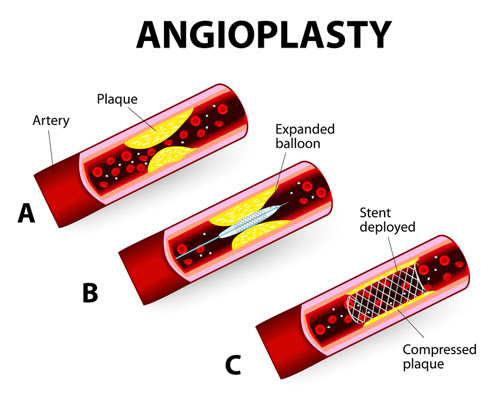
Angioplasty is a less invasive treatment for the heart that helps clear blocked or tight arteries in the heart and improves the flow of blood to the heart muscle. Doctors often suggest this treatment for people who have chest pain, are at risk of a heart attack, or have major blockages in their arteries.
It’s important to know the cost of angioplasty in India because the price can change depending on the hospital you choose, the type of stent used, and the patient’s health condition.
Picking a cardiologist who has lots of experience helps make the treatment safer, speeds up recovery, and leads to better heart health over time.
Angioplasty Cost in India in 2026 – Key Price Factors
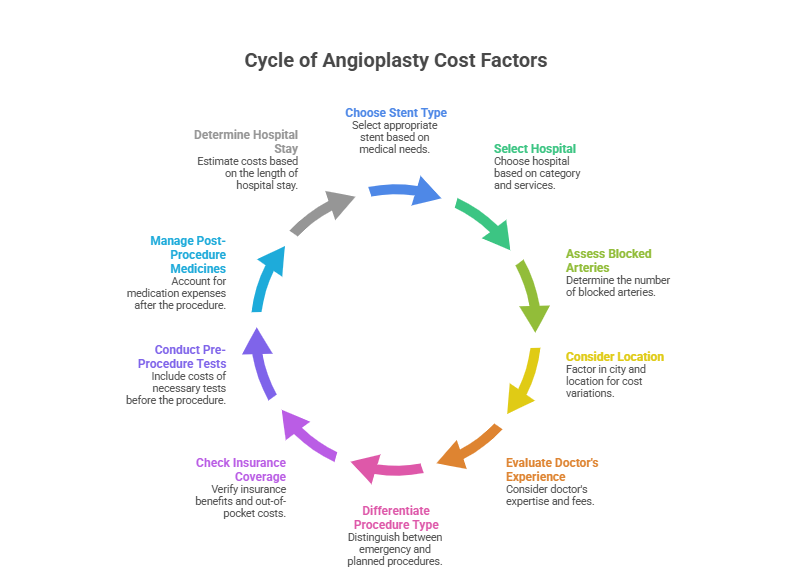
1. Type of Stent Used
The kind of stent used during angioplasty greatly affects how much the whole treatment costs. Drug eluting stents cost more than bare metal stents because they give out medicine that helps stop the artery from getting blocked again.
Although the initial cost is higher, they often provide better long term outcomes and reduce the chances of repeat procedures. Choosing the right stent depends on the patient’s medical condition, doctor’s advice, and long term heart health goals.
2. Hospital Category
The type of hospital and its standing affect how much angioplasty costs. Big hospitals that offer many different types of medical services or are part of a large company often cost more because they have better heart treatment tools, up-to-date catheterization labs, skilled doctors and nurses, and top-notch care in the intensive care unit.
Smaller cardiac centers or regional hospitals might provide the same procedure for less money, but the quality of their facilities and the care they offer can be different. Patients need to consider both cost and safety when choosing a hospital, along with being prepared for emergencies and having good follow-up care after procedures.
3. Number of Blocked Arteries
Angioplasty cost increases when more than one artery is blocked. A single vessel angioplasty typically requires one stent and less procedure time, making it more affordable.
However, multiple blockages demand additional stents, longer operation duration, more medicines, and extended monitoring, all of which raise the total expense.
The way the blockage is formed also influences the skills and tools needed. So, the way treatment is planned after angiography really affects how much a patient will have to pay in the end.
4. City and Location
Medical treatment costs often vary depending on the city where the procedure is performed. Metro cities generally have higher hospital charges due to increased operational costs, advanced infrastructure, and specialist availability.
In contrast, tier-2 and tier-3 cities may provide more affordable angioplasty options while still maintaining good cardiac care standards. Many patients travel to other cities to manage expenses. Comparing hospital packages, doctor expertise, and travel costs helps in making a financially balanced decision.
5. Doctor’s Experience
The experience and expertise of the cardiologist performing angioplasty can influence the overall cost. Highly skilled and senior heart specialists may charge higher professional fees because of their success rates, precision, and ability to manage complex cardiac conditions.
While this may slightly increase expenses, experienced doctors often reduce complication risks and improve recovery outcomes.
Patients usually consider doctor reputation, patient reviews, and hospital association when deciding, as safety and long term heart health remain the top priority.
6. Emergency vs Planned Procedure
Emergency angioplasty done during a heart attack tends to cost more than a planned angioplasty. Quick action is needed for urgent care, which means getting to the catheterization lab right away, having emergency medical team members on hand, keeping close watch in intensive care, and doing fast diagnostic tests right away.
These additional resources increase hospital charges. Planned angioplasty helps with better cost planning, allows for a scheduled hospital admission, and makes testing more controlled.
Getting a diagnosis early and talking to a heart doctor quickly can help avoid serious problems and make it easier for patients to handle their health issues and the cost of treatment.
7. Insurance Coverage
Health insurance plays a crucial role in reducing the financial burden of angioplasty. Depending on the policy terms, patients may receive partial or complete coverage for hospitalization, stents, medicines, and doctor fees.
Cashless treatment choices in network hospitals make it easier to pay for medical bills. Before starting any treatment, it’s important to carefully check the coverage limits, waiting periods, and exclusions.
Knowing your insurance benefits ahead of time lets families plan their money better and prevents surprise medical costs during heart emergencies.
8. Pre-Procedure Tests
Before having angioplasty, several tests are needed to check how healthy the heart is and how severe the blockage is. These tests often include an ECG, blood tests, an echocardiogram, angiography, and sometimes more advanced imaging techniques.
Each test increases the overall cost of treatment but is necessary for getting an accurate diagnosis and planning a safe procedure.
Skipping necessary tests may increase medical risk. A good check helps the cardiologist choose the right treatment, the correct type of stent, and the great medicine plan, which makes the patient safer and helps them recover better in the long run.
9. Post-Procedure Medicines
After angioplasty, patients must take prescribed medicines such as blood thinners, cholesterol-lowering drugs, and heart-protective medications. These medicines prevent clot formation, maintain stent function, and reduce the risk of future blockages.
The duration of medication may continue for months or even lifelong, contributing to overall treatment expenses.
Regular check-ups and changes to your lifestyle are also important. Taking your medicines properly is very important for healing well and keeping your heart healthy in the long run after an angioplasty.
10. Length of Hospital Stay
The total cost of angioplasty is also affected by how long the patient stays in the hospital. A short recovery period with stable condition results in lower expenses.
However, complications, extended ICU monitoring, or additional observation days can increase the final bill. Hospital room category and nursing care services also influence pricing.
Faster recovery through timely treatment, proper medical care, and good patient health condition can help reduce hospitalization duration and overall treatment costs.
Average Angioplasty Cost in India (2026)
In 2026, the angioplasty cost in India typically ranges between ₹1.5 lakh to ₹4.5 lakh, depending on stent type, hospital, and complexity of blockage.
Government schemes and insurance coverage can reduce this amount significantly, making treatment affordable for many heart patients.
Why Choose Dr. Manish Juneja for Angioplasty?
With modern technology, transparent pricing, and patient-centered treatment, he ensures safe angioplasty procedures and smooth recovery for long-term heart health.
Conclusion
Knowing the cost of an angioplasty in India allows patients to make better choices about their health and money. Finding heart problems early, getting a procedure called angioplasty on time, and receiving skilled medical care can stop serious heart issues and help you live better.
If you or your loved one is experiencing chest pain or blockage symptoms, consult Dr. Manish Juneja – The Heart Specialist today for expert guidance, accurate diagnosis, and affordable angioplasty treatment.
FAQ’s
1. What is the average cost of angioplasty in India?
The cost of angioplasty in India usually ranges between ₹1.5 lakh to ₹4 lakh, depending on the hospital, stent type, city, and patient condition. Government hospitals may offer lower-cost treatment, while private multi specialty hospitals generally charge more due to advanced facilities and expert cardiac care.
2. Why does angioplasty cost vary from patient to patient?
Angioplasty cost differs based on several factors such as the number of blocked arteries, type of stent used, doctor’s experience, hospital category, emergency condition, diagnostic tests, and post-procedure medicines. Insurance coverage and hospital stay duration also affect the final bill.
3. Which stent is good for angioplasty?
Drug-eluting stents are commonly preferred because they release medication that helps prevent artery re-blockage and provide better long-term results. However, the good stent depends on the patient’s heart condition, medical history, and the cardiologist’s recommendation.
4. Is angioplasty covered under health insurance in India?
Yes, most health insurance policies cover angioplasty, including hospitalization, stent cost, and doctor’s fees. Coverage amount depends on the policy limit, waiting period, and network hospital availability. Patients should confirm insurance benefits before treatment.
5. How long does an angioplasty procedure take?
Angioplasty usually takes about 30 minutes to 2 hours, depending on the number of blockages and complexity of the case. Additional time may be required for preparation, recovery, and post-procedure monitoring in the hospital.
6. How many days of hospital stay are required after angioplasty?
Most patients are discharged within 1 to 3 days if recovery is smooth. However, emergency cases, complications, or additional monitoring in ICU may extend the hospital stay and increase treatment cost.
7. Is angioplasty a permanent solution for heart blockage?
Angioplasty improves blood flow and relieves symptoms, but it is not always a permanent cure. Lifestyle changes, regular medicines, healthy diet, and follow-up checkups are essential to prevent future blockages and maintain heart health.
8. What are the risks of angioplasty?
Angioplasty is generally safe, but possible risks include bleeding, infection, blood clot formation, artery damage, or stent re-blockage. Choosing an experienced cardiologist and following proper medical advice reduces complication chances significantly.
9. Can angioplasty be done in an emergency heart attack?
Yes, emergency angioplasty is the most effective treatment during a heart attack to quickly restore blood flow to the heart muscle. Immediate treatment helps reduce heart damage and improves survival chances.
10. How can patients reduce angioplasty cost in India?
Patients can reduce costs by choosing insurance covered hospitals, comparing treatment packages, opting for government or trust hospitals, planning treatment early, and following preventive heart-care measures to avoid emergency procedures.