Low blood pressure happens when the force of blood moving through the arteries is less than usual. Some people might have slightly low blood pressure without any issues, but if it drops suddenly, it can lower the oxygen going to important organs and cause dizziness, weakness, or even fainting.
It’s important to know the early warning signs to avoid serious problems. According to heart specialists like Dr. Manish Juneja explains that getting diagnosed on time and receiving the right treatment can help keep blood pressure within a safe range and support better heart health over time.
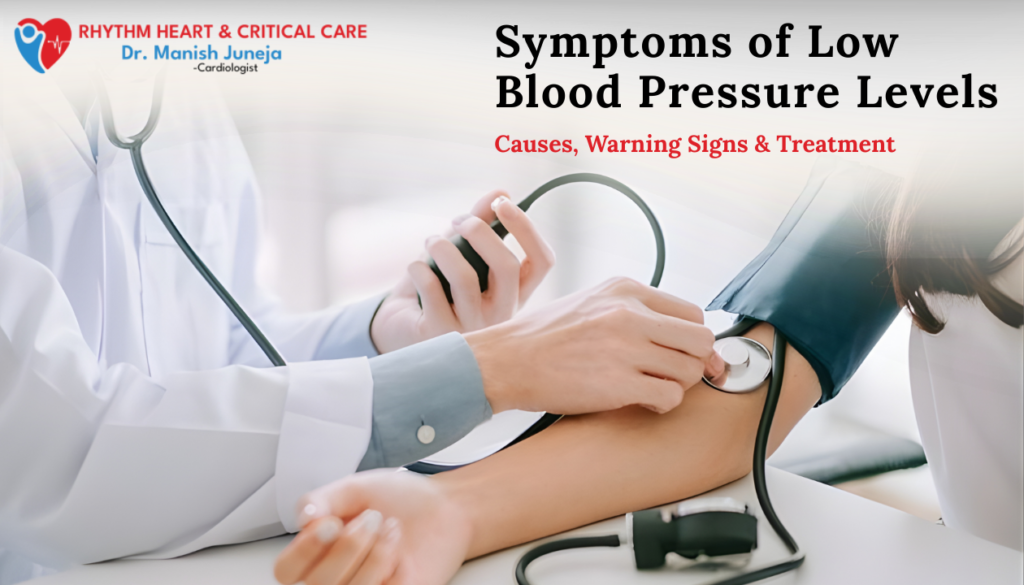
What Are Normal Blood Pressure Levels?
Healthy adults usually maintain normal blood pressure levels for adults around 120/80 mmHg. Readings lower than 90/60 mmHg are generally considered low blood pressure levels. However, symptoms matter more than numbers.
Some people don’t mind having slightly lower numbers, but others might feel uneasy even with small decreases. Checking blood pressure often and talking to a heart doctor can help find problems early and keep blood flowing well and organs working properly.
Common Symptoms of Low Blood Pressure Levels
1. Dizziness or Lightheadedness
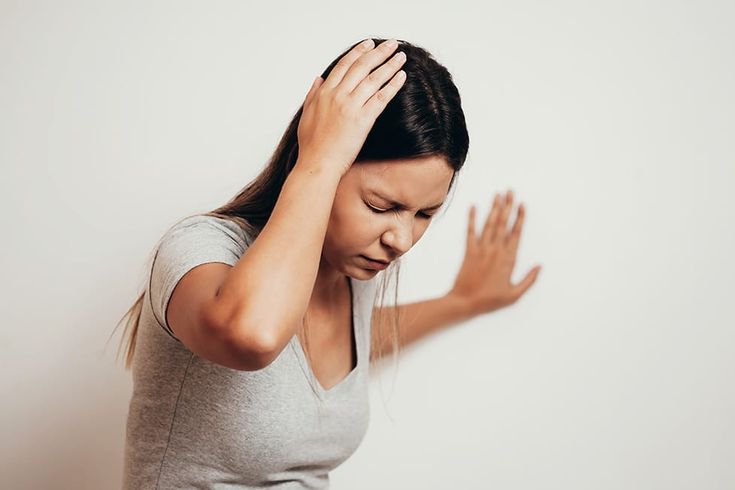
Dizziness is one of the most common and earliest symptoms of low blood pressure levels, especially when standing up suddenly from a sitting or lying position. Reduced blood flow to the brain can create a spinning sensation, imbalance, or blurred vision.
Some individuals may also feel weak or unstable while walking. Persistent or repeated dizziness should never be ignored, as it may signal underlying circulation issues, dehydration, or heart related conditions that require timely medical evaluation and proper treatment.
2. Fainting (Syncope)
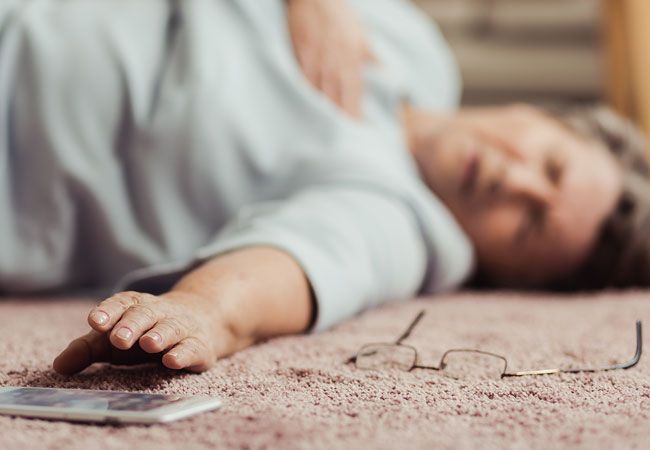
When blood pressure drops too low, it can briefly cut off blood flow to the brain, causing someone to faint or lose consciousness suddenly. This condition, called syncope, can happen because of things like not having enough water, problems with the heart’s rhythm, losing a lot of blood, or taking some medicines.
Even a small fainting spell should be taken seriously because it might show there’s a hidden heart or brain issue. You should see a doctor right away to find out exactly what’s causing the problem and to stop any future issues or risky falls and injuries from happening.
3. Blurred or Dim Vision

If blood pressure drops too low, the eyes might not get enough oxygen filled blood, which can cause blurry, dark, or narrow vision. This visual problem can happen all of a sudden and might also come with feelings of dizziness or weakness.
If you often experience blurred vision, you should not overlook it, because it could be a sign that your blood pressure is getting worse or that less blood is reaching your brain.
Getting blood pressure under control early on can help keep it stable and avoid more problems that might affect eyesight, balance, and the brain’s overall health.
4. Extreme Fatigue and Weakness

Low blood pressure levels can reduce oxygen and nutrient delivery to body tissues, causing persistent fatigue and generalized weakness. Individuals may feel unusually tired even after adequate rest or sleep.
Everyday tasks like walking, going up stairs, or staying focused while working might become harder. Chronic fatigue that comes with low blood pressure may mean you need to see a doctor, make changes to your daily habits, drink more fluids, or adjust your medicine to get your blood pressure back to normal.
This can help you feel more energetic, have better endurance, and enjoy a better quality of life.
5. Nausea and Cold, Clammy Skin

A sudden decrease in blood pressure can cause feelings of nausea, sweating, and skin that becomes pale, cold, and damp. When the body is under stress, it sends more blood to important organs such as the heart and brain, which causes less blood to reach the skin and digestive system.
People might also feel nervous, tired, or lightheaded. These warning signs need to be checked by a doctor, especially if they happen again and again, because they could mean you’re dehydrated, have an infection, or are not getting enough blood flow, which needs to be diagnosed and treated quickly with support.
6. Rapid, Shallow Breathing

In response to low blood pressure levels, the body may increase breathing speed in an attempt to deliver more oxygen to tissues. Rapid or shallow breathing can occur alongside dizziness, chest discomfort, or anxiety.
This compensatory mechanism usually shows that the blood flow is not enough. If you notice lasting changes in your breathing, you should see a doctor. These changes might be a sign of serious problems like heart issues, extreme dehydration, or shock, which need quick medical care and help to stabilize your condition.
7. Difficulty Concentrating

When there is not enough blood flowing to the brain because of low blood pressure, it can make it harder to think clearly, focus, and remember things. Some people might feel lost, have trouble thinking clearly, or find it hard to do everyday tasks.
These thinking problems might get worse when someone stands for a long time, loses a lot of fluids, or is sick. Keeping healthy blood pressure is important for the brain to work well and for people to be productive throughout the day.
A medical checkup helps find the real reason for the problem and makes sure treatment starts quickly to get blood flowing normally again and improve thinking clearly.
8. Depression or Mood Changes
Long standing low blood pressure levels may affect emotional well being by reducing overall energy, brain oxygenation, and physical stamina. Individuals might experience irritability, sadness, low motivation, or mild depressive symptoms.
While mood changes can have multiple causes, persistent hypotension should be evaluated as a contributing factor. Proper treatment, hydration, nutrition, and medical care can help stabilize blood pressure levels, improve mental health, and enhance overall physical and emotional quality of life.
9. Chest Pain or Palpitations

Although it’s not very common, a big drop in blood pressure can lower the amount of blood reaching the heart muscle, which might cause feelings like chest tightness, discomfort, or a racing, fluttering heartbeat called palpitations.
These symptoms might mean the heart isn’t working properly and should always be taken seriously. You need to get medical help right away to check for possible heart problems, irregular heartbeats, or low blood pressure. Early action helps lower the chance of serious health problems and keeps the heart healthy for a longer time.
10. Shock in Severe Cases
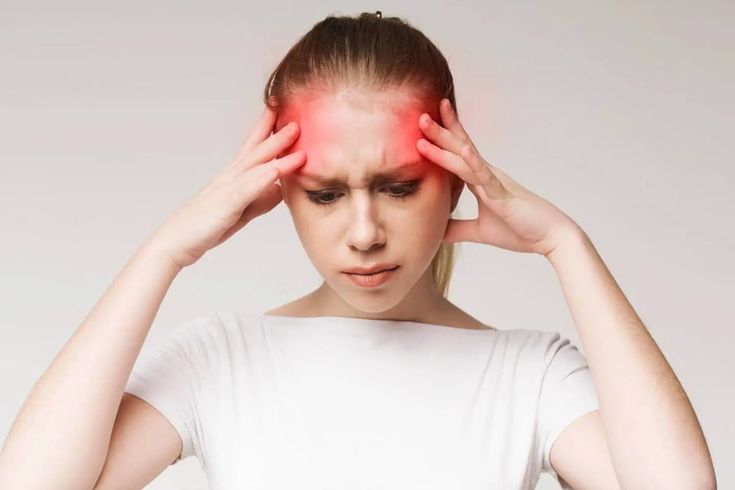
When blood pressure is very low, it can lead to medical shock, which is a serious and dangerous condition. Symptoms may include confusion, a weak pulse, fast breathing, cold skin, and possibly losing consciousness.
Shock means that the important organs in the body aren’t getting enough blood and oxygen to work the way they should. This situation needs immediate medical help, a hospital stay, and close watch by healthcare professionals. Knowing the early signs of low blood pressure can stop it from getting worse and help get medical help quickly, which could save your life.
Causes and Treatment of Low Blood Pressure Levels
Low blood pressure can happen because of not enough water in the body, problems with the heart, changes in hormone levels, serious infections, or some medicines.
The treatment is based on what’s causing the problem and might involve keeping the person hydrated, adjusting their salt levels, changing medications, or providing more specialized heart care.
Under expert supervision from Dr. Manish Juneja – The Heart Specialist, patients receive accurate diagnosis and personalized management to restore normal blood pressure levels safely.
Conclusion
Ignoring symptoms of low blood pressure levels can increase the risk of falls, heart complications, and organ damage. Regular monitoring, healthy lifestyle habits, and early consultation with an experienced cardiologist are key to maintaining safe blood pressure levels and overall heart wellness.
If you notice persistent dizziness, fainting, or weakness, seek timely medical guidance to protect your heart health and quality of life.
Reference:
https://www.mayoclinic.org/diseases-conditions/low-blood-pressure/symptoms-causes/syc-20355465
https://my.clevelandclinic.org/health/diseases/21156-low-blood-pressure-hypotension
FAQ’s
- What are the common symptoms of low blood pressure levels?
Common symptoms include dizziness, fainting, blurred vision, fatigue, nausea, and difficulty concentrating. Severe cases may cause chest pain or shock, requiring immediate medical care. - What is considered a dangerously low blood pressure level?
Blood pressure below 90/60 mmHg is generally considered low. If it causes symptoms like fainting or confusion, medical attention is necessary. - Can low blood pressure be a sign of heart disease?
Yes, persistent low blood pressure may indicate heart rhythm problems, heart failure, or circulation disorders and should be evaluated by a cardiologist. - How is low blood pressure diagnosed?
Doctors check blood pressure readings, review symptoms, and may recommend ECG, blood tests, or heart imaging to find the underlying cause. - What is the difference between normal blood pressure levels and low levels?
Normal blood pressure levels for adults are around 120/80 mmHg, while consistently lower readings with symptoms indicate hypotension. - Can dehydration cause low blood pressure?
Yes, dehydration reduces blood volume, which can lower blood pressure and cause dizziness or fainting. - Is low blood pressure dangerous?
Mild low blood pressure without symptoms may not be harmful, but severe or sudden drops can reduce blood flow to vital organs and become life-threatening. - How can low blood pressure be treated naturally?
Drinking enough water, eating balanced meals, adding moderate salt (if advised), avoiding sudden standing, and regular monitoring can help maintain healthy blood pressure levels. - When should I see a cardiologist for low blood pressure symptoms?
You should seek medical advice if symptoms are frequent, severe, or associated with chest pain, fainting, or heart palpitations. Consultation with Dr. Manish Juneja can help in accurate diagnosis and treatment. - Can low blood pressure be prevented?
Maintaining hydration, proper nutrition, regular exercise, and routine health checkups can help prevent complications related to low blood pressure levels.