Heart bypass surgery improves blood flow by bypassing blocked arteries, relieving symptoms, reducing heart attack risk, and enhancing quality of life.
Heart disease remains one of the leading causes of death worldwide, and coronary artery bypass grafting is often the most effective treatment option to restore blood flow to the heart. Patients and their families often want to know the cost of heart bypass surgery, the factors that affect cost, and what to expect during recovery.
The total cost can vary depending on the hospital, surgeon’s expertise, technology used, and the patient’s condition. With advanced cardiac care available today, patients can receive world class treatment with excellent outcomes.
Under the guidance of Dr. Manish Juneja – The Heart Specialist, patients receive expert evaluation, personalized treatment plans, and comprehensive heart care for long term cardiac health.
What is Heart Bypass Surgery?
Heart bypass surgery, also known as coronary artery bypass grafting (CABG), is a surgery performed to improve blood flow to the heart when the coronary arteries are blocked or narrowed. During surgery, healthy blood vessels from another part of the body are used to create a new pathway around the blocked artery.
Many patients searching for what is bypass surgery are advised to undergo this procedure when medications or angioplasty are no longer sufficient. Bypass surgery can significantly reduce chest pain, improve heart function, lower the risk of heart attacks, and enhance quality of life. It remains one of the most successful treatments for severe coronary artery disease.
Factors Affecting Cost for Heart Bypass Surgery
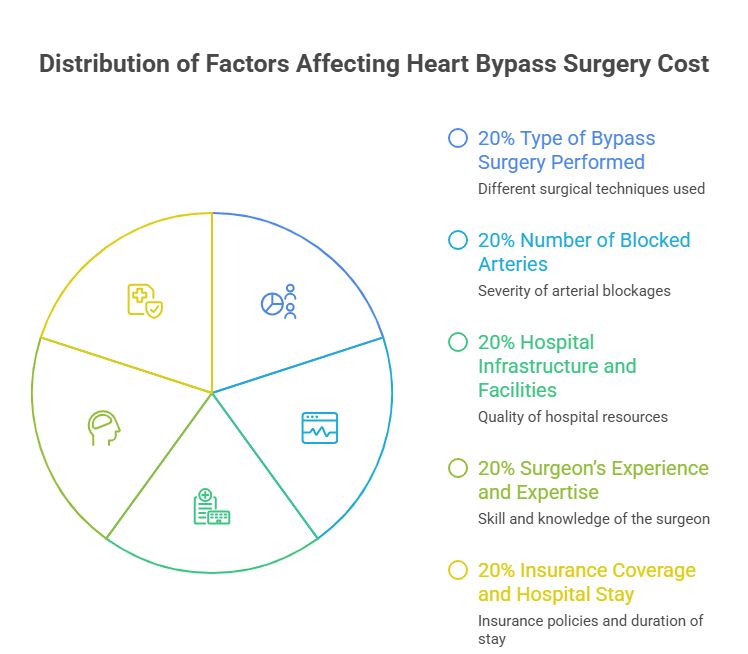
1. Type of Bypass Surgery Performed
The cost for heart bypass surgery depends significantly on the surgical technique used. Traditional open-heart bypass surgery may have a different cost compared to minimally invasive or off-pump bypass procedures.
Advanced surgical techniques often require specialized equipment, highly trained cardiac teams, and cutting-edge technology, which can increase the cost of treatment. However, these techniques can also offer benefits to patients, including fewer complications, faster recovery, and improved long-term outcomes.
2. Number of Blocked Arteries
The total cost of treatment depends on the number of coronary arteries requiring bypass surgery. Patients may need a single, double, triple or quadruple bypass depending on the severity of the blockage.
As the number of affected arteries increases, the procedure becomes more complex and time-consuming. Additional grafts, longer operative times, and increased medical resources may contribute to increased overall costs while ensuring effective restoration of blood flow.
3. Hospital Infrastructure and Facilities
Hospital selection plays an important role in determining the cost of bypass surgery. Multispecialty cardiac hospitals with state-of-the-art operating rooms, advanced catheterization labs, specialized cardiac intensive care units, and comprehensive emergency departments typically have higher treatment costs.
However, these facilities provide enhanced patient safety, advanced monitoring systems, and access to specialized cardiac care teams. Choosing a well-equipped hospital often contributes to better treatment outcomes and a smoother recovery process.
4. Surgeon’s Experience and Expertise
The experience and reputation of the cardiac surgeon can impact the overall cost of treatment. Highly skilled surgeons with extensive expertise in coronary bypass surgery often charge higher professional fees. However, experienced specialists are more likely to achieve successful outcomes, minimize complications, and ensure precise surgical care. Consulting an expert heart specialist can provide patients with greater confidence and improved long-term results following bypass surgery.
5. Insurance Coverage and Hospital Stay
Health insurance coverage and the duration of hospitalization significantly influence the final treatment cost. Patients with cashless insurance facilities may experience lower out-of-pocket expenses.
Additionally, the length of ICU care and hospital stay affects the overall bill. Patients requiring extended monitoring, additional treatments, or prolonged recovery periods may incur higher costs. Proper insurance planning and selecting a network hospital can help reduce financial burden while ensuring quality cardiac care.
Average Cost for Heart Bypass Surgery in India
The cost for heart bypass surgery in India generally ranges between ₹2,00,000 and ₹6,50,000 or more, depending on hospital category, surgeon expertise, procedure complexity, and patient condition.
| Procedure Type | Estimated Cost |
| Single Bypass Surgery | ₹2,00,000 – ₹3,50,000 |
| Double Bypass Surgery | ₹2,50,000 – ₹4,50,000 |
| Triple Bypass Surgery | ₹3,00,000 – ₹5,50,000 |
| Quadruple Bypass Surgery | ₹4,00,000 – ₹6,50,000+ |
Actual costs may vary based on individual medical requirements.
Heart bypass surgery success rate
The success rate of heart bypass surgery is usually very high when performed by an experienced heart surgeon using the latest medical technology.
Most patients experience improved blood flow to the heart, reduced chest pain, increased physical activity levels, and reduced risk of future heart attacks.
Advanced surgical techniques and post-operative care have significantly improved outcomes. Long-term success depends on following prescribed medications, attending regular follow-up visits, maintaining a healthy diet, exercising regularly, and adopting a heart-healthy lifestyle.
Recovery After Heart Bypass Surgery
Recovery usually takes several weeks to months depending on the patient’s overall health and surgical complexity. Most patients gradually return to normal activities under medical supervision.
Key recovery recommendations include:
- Follow prescribed medications
- Attend regular follow-up appointments
- Participate in cardiac rehabilitation
- Avoid heavy lifting initially
- Maintain a healthy diet
- Monitor blood pressure and cholesterol
Early rehabilitation and lifestyle changes contribute significantly to long-term success.
Why Choose Dr. Manish Juneja for Advanced Heart Care?
Patients seeking expert cardiac care can benefit from the experience of Dr. Manish Juneja – The Heart Specialist, recognized among the Trusted Cardiologists in Nagpur.
With expertise in coronary artery disease, angioplasty, advanced cardiac diagnostics, preventive cardiology, ECG, 2D echo, TMT, coronary angiography, and comprehensive cardiac care, patients receive personalized treatment tailored to their individual needs.
Conclusion
The cost of heart bypass surgery is an important consideration for patients considering cardiac treatment. Although costs vary depending on factors such as the type of surgery, hospital equipment, and patient condition, bypass surgery remains one of the most effective treatments for severe coronary heart disease.
Early diagnosis, prompt treatment, and specialized cardiac care can greatly improve your recovery and long-term heart health.
If you or a loved one has been advised bypass surgery or is experiencing symptoms of heart disease, consult Dr. Manish Juneja – The Heart Specialist for expert evaluation and advanced cardiac care.
Visit our Contact Us page or Book an Appointment today to receive personalized guidance and protect your heart health for the future.
FAQ’s
1. What is the average cost for heart bypass surgery in India?
The average cost for heart bypass surgery in India typically ranges between ₹2 lakh and ₹6.5 lakh, depending on the hospital, surgeon’s expertise, and complexity of the procedure.
2. What factors affect the cost of heart bypass surgery?
Several factors influence the cost, including the type of bypass surgery, number of blocked arteries, hospital facilities, surgeon’s experience, ICU stay, and insurance coverage.
3. Is heart bypass surgery covered by health insurance?
Yes, most health insurance policies cover coronary artery bypass surgery. Coverage depends on the policy terms, waiting period, and hospital network.
4. What is the success rate of heart bypass surgery?
The heart bypass surgery success rate is generally very high, often exceeding 95% in suitable patients when performed by experienced cardiac surgeons.
5. How long does heart bypass surgery take?
A typical bypass surgery usually takes between 3 to 6 hours, depending on the number of arteries being bypassed and the patient’s condition.
6. How many days is hospital stay after bypass surgery?
Most patients stay in the hospital for about 5 to 10 days, including ICU monitoring and post-operative recovery.
7. What is the recovery time after heart bypass surgery?
Initial recovery usually takes 6 to 8 weeks, while complete recovery may take up to 3 months, depending on overall health and adherence to medical advice.
8. What is the life expectancy after heart bypass surgery?
Many patients live 10 to 20 years or longer after bypass surgery by maintaining a healthy lifestyle, taking medications regularly, and attending follow-up appointments.
9. Is bypass surgery better than angioplasty?
The choice between bypass surgery and angioplasty depends on the severity and location of blockages. Your cardiologist will recommend the most suitable treatment based on your condition.
10. When should I consult a heart specialist for bypass surgery?
You should consult a cardiologist if you experience symptoms such as chest pain, shortness of breath, fatigue, or if diagnostic tests show severe coronary artery blockages requiring advanced treatment.