Maintaining a strong and healthy heart starts with the right nutrition. Including heart healthy foods in your daily diet can significantly reduce the risk of heart disease, improve blood circulation, and enhance overall cardiovascular health.
Dr. Manish Juneja, the heart specialist, says that eating a diet with plenty of nutrients, fiber, and healthy fats helps keep the heart in good shape over time.
Eating healthy foods like green vegetables and lean meats can help your body feel strong and keep your heart working well. This can help you stay full of energy and active, and also lower the need for medicines and surgeries like angioplasty.
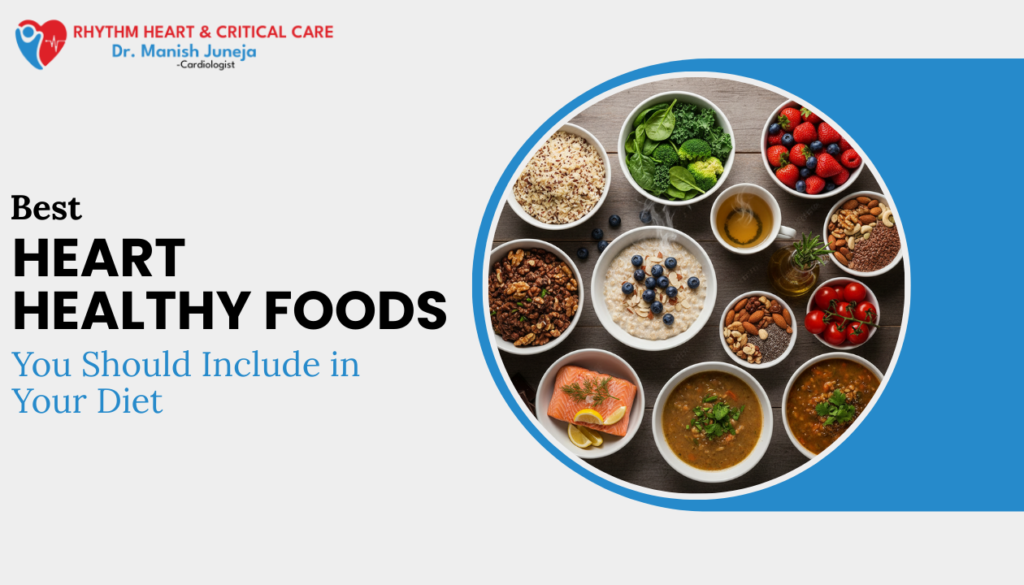
Why Heart Healthy Foods Are Essential
Incorporating heart healthy foods is crucial for managing cholesterol, blood pressure, and preventing heart attacks.
Eating foods that have lots of omega-3 fatty acids, antioxidants, and vitamins can keep your arteries healthy and lower inflammation in the body. Dr. Manish Juneja, who is considered one of the top cardiologists in Nagpur and has been given high ratings by Google, says that choosing healthy foods is just as important as doing exercise regularly and getting check-ups on time.
A diet that supports heart health can work well with care from specialists like the best angioplasty doctor in Nagpur, helping to provide full body care for the heart and blood vessels.
Top 10 Heart Healthy Foods
1. Oats and Whole Grains
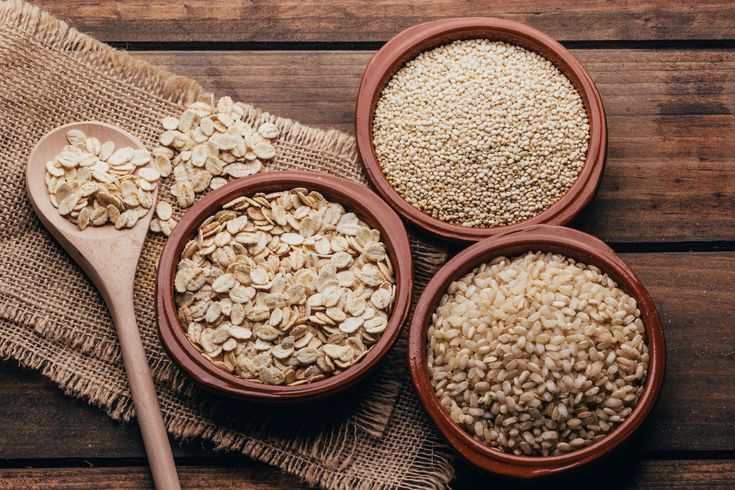
Oats are packed with soluble fiber, which can help reduce bad cholesterol and keep blood sugar levels balanced.
Adding whole grains such as brown rice, quinoa, and barley to your meals can help stop plaque from forming in your arteries and make your blood flow better all around your body.
Eating oats and whole grains regularly helps keep the heart healthy, makes it easier to manage weight, gives more energy, and supplies important vitamins and minerals that are needed for a healthy diet.
2. Leafy Green Vegetables
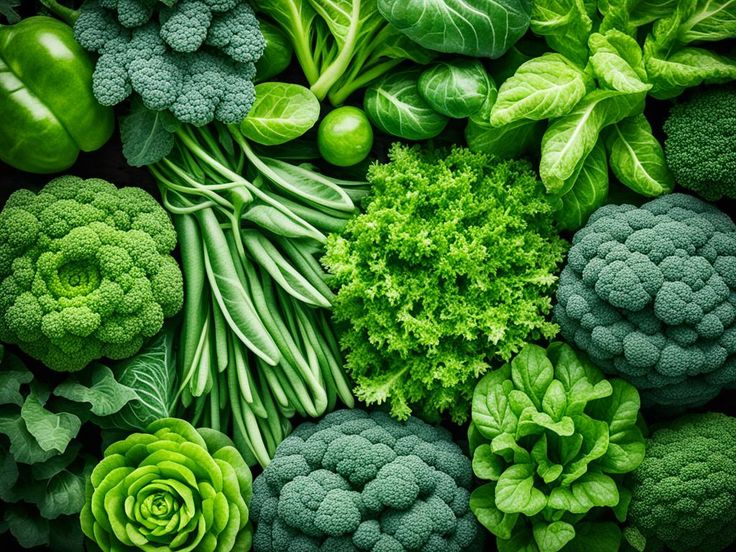
Leafy greens like spinach, kale, and broccoli are rich in vitamins, minerals, and antioxidants that directly benefit your cardiovascular system.
Oats are packed with soluble fiber, which can help reduce bad cholesterol and keep blood sugar levels balanced. Adding whole grains such as brown rice, quinoa, and barley to your meals can help stop plaque from forming in your arteries and make your blood flow better all around your body.
Eating oats and whole grains regularly helps keep the heart healthy, makes it easier to manage weight, gives more energy, and supplies important vitamins and minerals that are needed for a healthy diet.
3. Berries
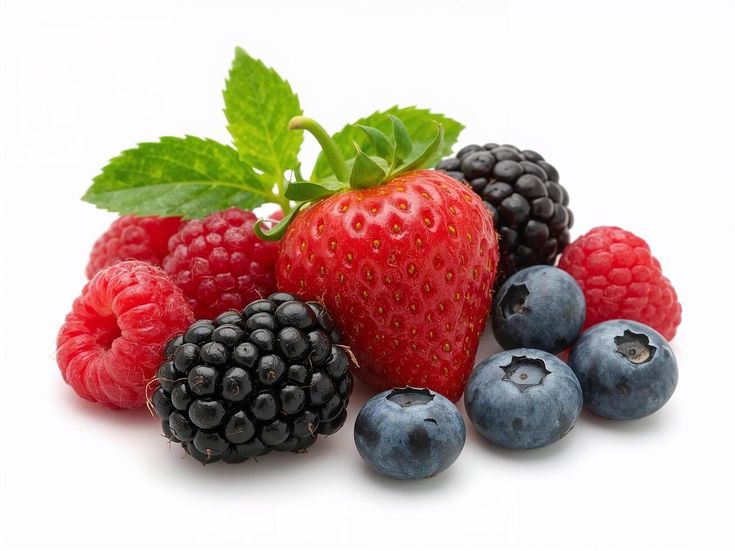
Berries like blueberries, strawberries, and raspberries are full of antioxidants and flavonoids that help fight oxidative stress in blood vessels. Eating berries often can help cut down on inflammation, decrease cholesterol, and make the heart work better overall.
Their natural sweetness makes them a great choice for adding to breakfasts, snacks, or desserts. Besides helping keep the heart healthy, berries also boost brain function, give important vitamins, and help keep the skin looking good and support healthy aging because they are full of antioxidants.
4. Fatty Fish
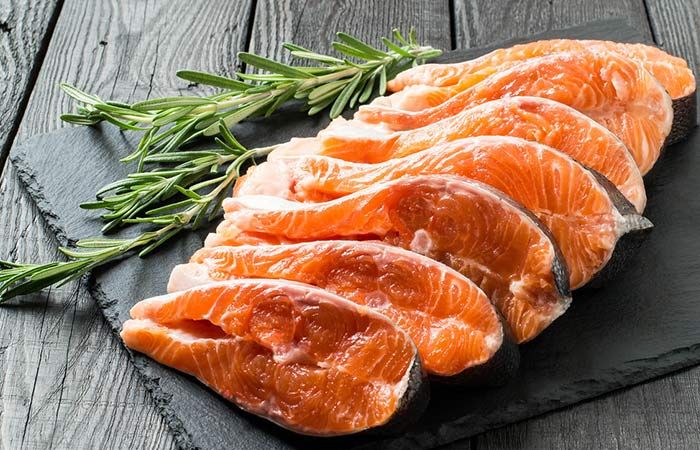
Fatty fish such as salmon, mackerel, and sardines have a lot of omega 3 fatty acids, which can help decrease triglycerides, lower blood pressure, and stop abnormal heartbeats.
Eating these fish often can help lower the chance of having a heart attack or stroke and also make your heart and blood vessels healthier overall.
They are also great sources of high quality protein and important nutrients like vitamin D. Eating fatty fish helps your heart stay strong and healthy in a natural and good for the heart way.
5. Nuts and Seeds
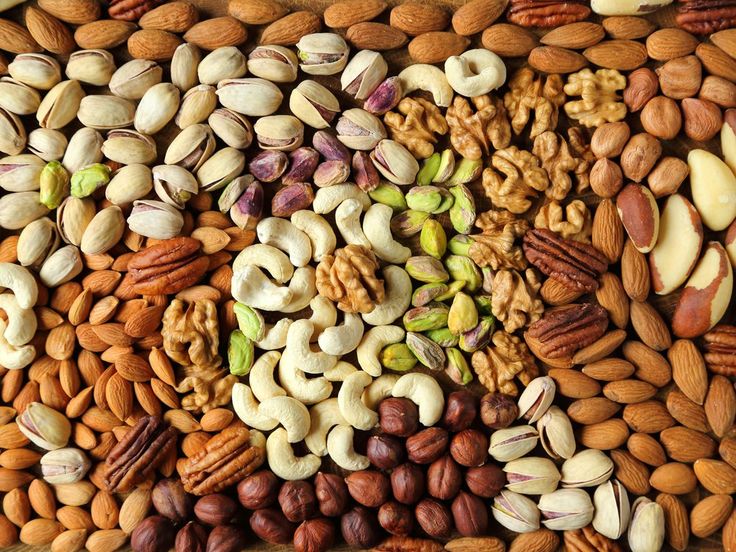
Nuts and seeds, including almonds, walnuts, chia seeds, and flaxseeds, are packed with healthy fats, fiber, and plant based proteins. These foods improve cholesterol levels, reduce inflammation, and support healthy blood vessels.
Adding a small portion daily can enhance heart health, provide sustained energy, and improve metabolism. Nuts and seeds also offer vital minerals like magnesium and potassium, which play a key role in maintaining a strong, resilient cardiovascular system and overall well-being.
6. Olive Oil
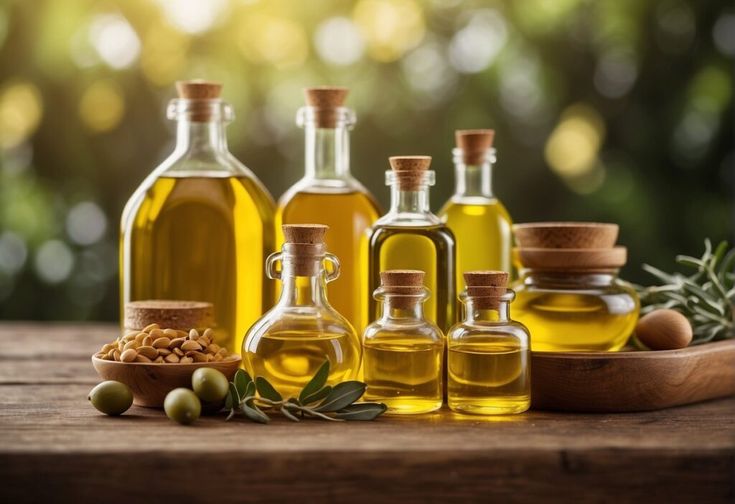
Extra virgin olive oil has a lot of healthy fats and antioxidant power, which makes it great for keeping the heart in good shape. Using it as your main cooking oil can help lower bad cholesterol, decrease plaque in the arteries, and make your blood vessels work better.
Olive oil can be added to salads, dressings, or drizzled over cooked dishes. Regular use not only protects the heart but also provides anti inflammatory benefits, promotes brain health, and supports long-term wellness with natural, nutrient-dense fats.
7. Legumes
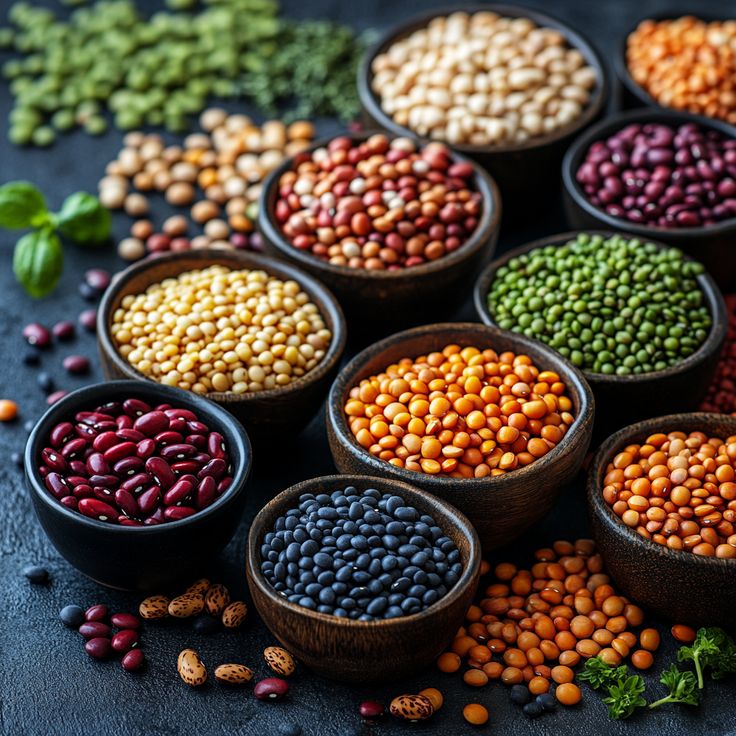
Legumes like lentils, chickpeas, and beans are great for your health because they have fiber, protein, and important minerals that help keep your heart strong. Their high fiber content helps keep blood sugar levels steady, reduces bad cholesterol, and eases inflammation in the blood vessels.
Adding legumes to your everyday meals can help you feel full for longer, supports your digestion, and gives you steady energy throughout the day. They work well in soups, stews, salads, and curries, making them a good plant-based option that’s good for heart health instead of processed foods.
8. Tomatoes
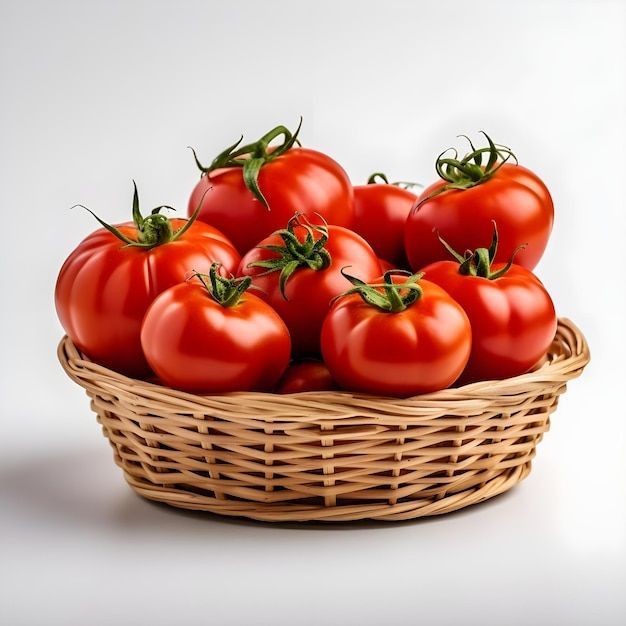
Tomatoes are rich in lycopene, a powerful antioxidant that protects the heart by reducing LDL cholesterol and improving vascular function. Including fresh tomatoes or tomato based dishes in your meals supports overall cardiovascular health and helps prevent oxidative stress.
Tomatoes are also a great source of vitamins A, C, and K, which contribute to immunity, bone health, and eye health. Their natural flavor makes them an easy and delicious addition to a heart healthy diet.
9. Green Tea

Green tea has a lot of catechins and antioxidants that help your heart by reducing bad cholesterol, lowering blood pressure, and stopping harmful damage to the arteries. Drinking one to two cups each day can help keep the heart and blood vessels healthy, increase the body’s ability to burn calories, and promote better general health.
Green tea helps the brain work better, supports keeping weight in check, and gives a soothing feeling. Its heart-protective benefits make it a natural and easy way to include in your daily routine for better long-term health.
10. Dark Chocolate

Dark chocolate, with 70% or higher cocoa content, contains flavonoids that improve blood flow, lower blood pressure, and reduce inflammation in blood vessels.
Eating it in moderation can help prevent heart disease and improve heart health overall. Dark chocolate helps the brain work better, makes people feel happier, and gives antioxidants that fight harmful chemicals in the body.
Choosing good quality, low sugar dark chocolate gives the best heart benefits and is a tasty way to enjoy a healthy lifestyle.
Tips to Incorporate Heart-Healthy Foods Daily
Planning meals with heart-healthy foods is easier than you think. Include a variety of vegetables, fruits, whole grains, and healthy fats in every meal. Avoid processed foods, excessive sugar, and trans fats.
For individuals seeking expert guidance, consulting Dr. Manish Juneja, the top heart doctor in Nagpur, creates a custom diet plan that fits your heart health needs, and works well with treatments like angioplasty and heart prevention care.
Take Charge of Your Heart Health Today!
Start including best heart-healthy foods in your diet now to protect your heart for years to come.
For expert advice and consultations, visit Dr. Manish Juneja – The Heart Specialist, recognized among the best cardiologists in Nagpur. Your heart deserves the best care, and with the right diet, lifestyle, and expert guidance, you can enjoy a long, healthy, and active life.
FAQ’s
1. What are heart-healthy foods?
Heart healthy foods are those that support cardiovascular health by lowering cholesterol, controlling blood pressure, and reducing inflammation. These include fruits, vegetables, whole grains, nuts, seeds, lean proteins, and healthy fats like olive oil and omega-3-rich fish.
2. Which foods are best for keeping the heart healthy?
The best heart-healthy foods include oats, leafy green vegetables, berries, fatty fish, nuts, seeds, legumes, tomatoes, green tea, and dark chocolate. These foods help protect arteries and improve overall heart function.
3. How do heart-healthy foods reduce cholesterol?
Heart-healthy foods contain soluble fiber, antioxidants, and healthy fats that help lower LDL (bad) cholesterol and increase HDL (good) cholesterol, reducing plaque buildup in arteries.
4. Can diet alone prevent heart disease?
A healthy diet plays a major role in preventing heart disease, but it works best when combined with regular exercise, stress management, and routine check-ups with a cardiologist like Dr. Manish Juneja – The Heart Specialist.
5. How often should I include heart-healthy foods in my diet?
Heart-healthy foods should be included daily. Consistency is key to maintaining healthy cholesterol levels, stable blood pressure, and strong heart function over time.
6. Are heart-healthy foods helpful after angioplasty?
Yes, following a heart-healthy diet after angioplasty supports faster recovery, prevents further blockages, and improves long-term heart health. Always follow dietary advice from the best angioplasty doctor or your cardiologist.
7. Is olive oil better than regular cooking oil for the heart?
Yes, extra virgin olive oil is rich in monounsaturated fats and antioxidants, making it one of the best choices for heart health compared to refined or trans-fat-rich oils.
8. Can vegetarians maintain good heart health with diet alone?
Absolutely. Vegetarians can maintain excellent heart health by consuming legumes, whole grains, nuts, seeds, fruits, vegetables, and healthy oils that provide essential nutrients for the heart.
9. How much fatty fish should be eaten for heart health?
Consuming fatty fish like salmon or mackerel at least two times a week provides enough omega-3 fatty acids to support heart health and reduce cardiovascular risk.
10. When should I consult a cardiologist for heart health guidance?
If you have risk factors like high blood pressure, diabetes, chest pain, or a family history of heart disease, consult Dr. Manish Juneja, one of the best cardiologists in Nagpur and a best rated cardiologist by Google, for expert guidance.
Reference:
https://www.nhlbi.nih.gov/health/heart-healthy-living/healthy-foods