Heart valve diseases are becoming more common, especially among elderly patients. One advanced and minimally invasive treatment available today is transcatheter aortic valve replacement TAVR surgery, which helps patients suffering from severe aortic valve stenosis.
This process fixes the broken aortic valve without requiring the usual open-heart operation. Many patients who are not suitable for major surgery can benefit from this modern treatment.
With expert care from Dr. Manish Juneja – heart specialist who provides patients with advanced treatment for heart issues, accurate diagnosis, and tailored care to help improve heart function and enhance their overall quality of life.
What Is Transcatheter Aortic Valve Replacement TAVR Surgery?
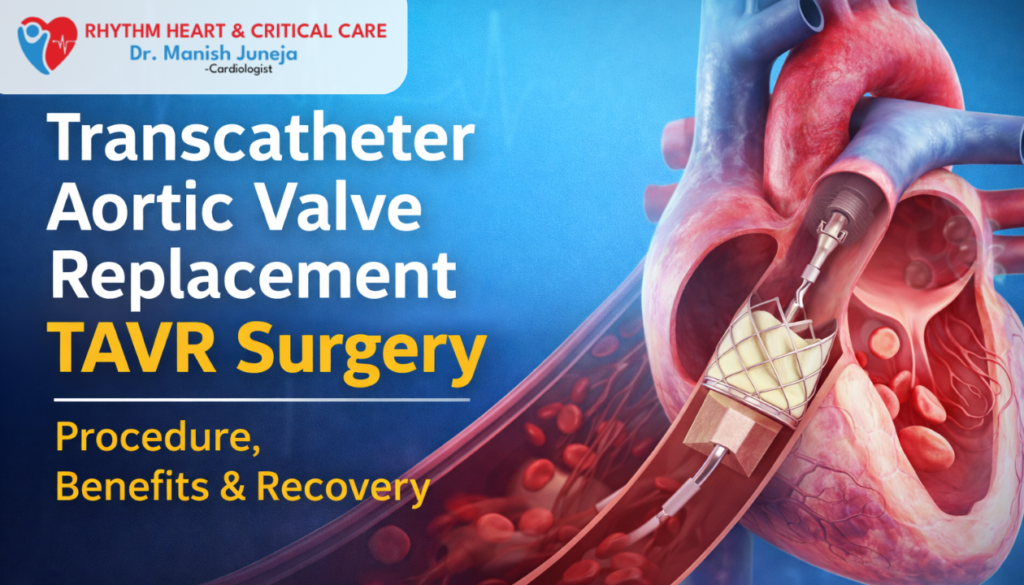
Transcatheter aortic valve replacement TAVR surgery is a minimally invasive cardiac procedure used to treat severe aortic valve stenosis, a condition where the aortic valve becomes narrowed and restricts blood flow from the heart to the rest of the body.
During the procedure, doctors insert a new valve through a thin catheter, usually from the leg artery, and position it inside the diseased valve. This approach avoids large chest incisions and allows faster recovery.
For patients seeking advanced heart treatment from Best Cardiologists in Nagpur, modern procedures like TAVR provide safe and effective solutions.
Important Facts About TAVR Surgery
1. Minimally Invasive Heart Valve Procedure
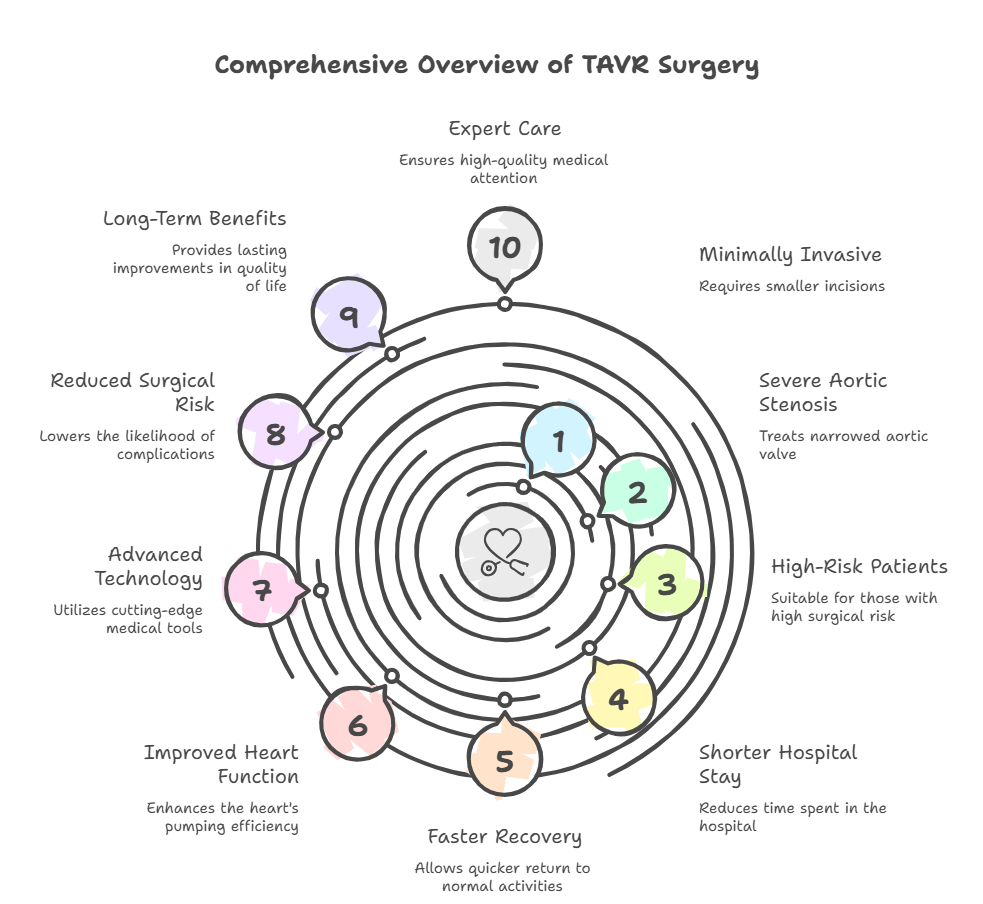
One of the biggest advantages of transcatheter aortic valve replacement TAVR surgery is that it does not require open-heart surgery. Instead of a large chest incision, doctors use a small catheter inserted through the leg artery to reach the heart.
This gentle procedure causes less damage during surgery, decreases the chance of problems, and helps patients get better more quickly. Many elderly patients or those at high surgical risk benefit significantly from this advanced cardiac treatment.
2. Treatment for Severe Aortic Valve Stenosis
TAVR surgery is mainly recommended for patients suffering from severe aortic valve stenosis. In this condition, the valve becomes stiff and narrow, preventing proper blood flow from the heart.
Symptoms often include chest pain, breathlessness, fatigue, and dizziness. Transcatheter aortic valve replacement TAVR surgery helps restore normal blood flow and improves overall heart function, allowing patients to return to daily activities with improved energy and quality of life.
3. Suitable for High-Risk Patients
Many patients with severe valve disease cannot undergo traditional open-heart surgery because of advanced age, existing heart conditions, or other medical complications. For such individuals, Transcatheter Aortic Valve Replacement (TAVR) offers a safer alternative.
The procedure is minimally invasive and performed using a catheter inserted through a blood vessel. Because it avoids large chest incisions, it places less stress on the body and provides an effective treatment option for patients who previously had limited surgical choices.
4. Shorter Hospital Stay
Compared to traditional valve replacement surgery, patients undergoing TAVR usually experience a much shorter hospital stay. In many cases, individuals can return home within two to three days after the procedure.
This faster discharge reduces hospital expenses and helps patients recover comfortably at home. With proper medical supervision, medications, and follow-up care, most people gradually regain strength and return to their normal lifestyle within a short period of time.
5. Faster Recovery Time
Recovery after TAVR is generally quicker than recovery from conventional open-heart surgery. Since the procedure does not involve a large chest incision, patients experience less pain, minimal blood loss, and a lower risk of infection.
Many individuals are able to walk within a day or two and resume daily activities in a few weeks. This quick recovery makes the treatment especially beneficial for elderly patients or those who need a safer and less physically demanding procedure.
6. Improved Heart Function
After the diseased valve is replaced, blood flow from the heart improves significantly. Patients often notice relief from symptoms such as breathlessness, fatigue, dizziness, and chest discomfort.
The restored valve helps the heart pump blood more efficiently, allowing oxygen-rich blood to reach vital organs throughout the body. Over time, improved circulation can enhance stamina, energy levels, and overall cardiovascular health, helping patients lead a more active and comfortable life.
7. Advanced Technology in Cardiology
Modern cardiac centers perform valve replacement procedures using advanced imaging technology, catheter based tools, and highly precise monitoring systems. These innovations allow cardiologists to place the new valve accurately while minimizing risks during the procedure.
With better visualization and improved medical equipment, patients benefit from higher success rates, fewer complications, and better long-term outcomes compared with older surgical methods used in the past.
8. Reduced Surgical Risk
Traditional heart valve surgery may involve significant surgical risk, especially for elderly patients or those with multiple health problems. Minimally invasive valve replacement procedures help reduce these risks by avoiding large incisions and the need for heart-lung bypass machines.
Because the procedure is less stressful for the body, patients often experience fewer complications, faster healing, and improved overall safety during treatment.
9. Long-Term Benefits for Patients
Patients who undergo modern valve replacement procedures often see long-term improvements in their heart health. Many people say they can breathe easier, feel more energetic, and do their usual activities all day without getting tired.
By maintaining a healthy lifestyle, having regular checkups, and taking the medicines as prescribed, the implanted valve can work well for a long time. This long-term benefit significantly improves the quality of life and reduces the risk of severe cardiac complications.
10. Expert Care for Better Outcomes
The success of any advanced cardiac procedure depends greatly on the expertise of the treating cardiologist and the quality of the hospital facilities. Patients treated by experienced specialists receive accurate diagnosis, advanced treatment options, and personalized care plans.
Under the guidance of Dr. Manish Juneja – The Heart Specialist, known among the Best Rated Cardiologist by Google, patients receive comprehensive cardiac care with modern technology and compassionate support.
Who Should Consider TAVR Surgery?
Patients diagnosed with severe aortic valve stenosis who experience symptoms like chest pain, fainting, fatigue, or breathlessness may be candidates for transcatheter aortic valve replacement TAVR surgery.
Doctors typically recommend this treatment for elderly patients, individuals with high surgical risk, or those who cannot undergo open-heart surgery.
A detailed heart evaluation, imaging tests, and consultation with an experienced cardiologist help determine whether this advanced procedure is the most suitable option.
Conclusion
Heart valve disease can significantly impact quality of life if left untreated. Modern treatments like transcatheter aortic valve replacement TAVR surgery have changed the way heart care is provided by giving patients with serious valve issues safer and less invasive options. Finding problems early and getting help quickly can stop them from getting worse.
If you or your loved one is experiencing symptoms of heart valve disease, consult Dr. Manish Juneja – The Heart Specialist for expert guidance and advanced cardiac care.
Visit our Contact Us page or book your consultation through the Appointment page to receive personalized heart treatment and protect your long-term heart health.
FAQ’s
1. What is Transcatheter Aortic Valve Replacement (TAVR) surgery?
Transcatheter Aortic Valve Replacement (TAVR) is a minimally invasive heart procedure used to replace a narrowed or damaged aortic valve. Instead of open-heart surgery, doctors insert a new valve through a catheter, usually through an artery in the leg, and place it inside the diseased valve.
2. Who is a good candidate for TAVR surgery?
TAVR surgery is usually recommended for patients with severe aortic valve stenosis, especially elderly patients or individuals who are considered high risk for traditional open-heart surgery.
3. How long does a TAVR procedure take?
The TAVR procedure generally takes about 1 to 2 hours, depending on the patient’s condition and the complexity of the case.
4. Is TAVR surgery safer than open-heart valve replacement?
For many high-risk or elderly patients, TAVR is considered safer because it is minimally invasive, involves smaller incisions, and usually leads to fewer complications and faster recovery.
5. What are the benefits of TAVR surgery?
The main benefits include smaller incisions, less pain, reduced hospital stay, faster recovery, and improved heart function compared to traditional valve replacement surgery.
6. How long is the recovery after TAVR surgery?
Most patients recover faster than with open-heart surgery. Many people can walk within a day and return to normal daily activities within 2 – 4 weeks.
7. How long does the replacement valve last after TAVR?
Modern TAVR valves are designed to last 10–15 years or longer, depending on the patient’s health, lifestyle, and follow-up care.
8. What are the risks of TAVR surgery?
Although TAVR is generally safe, possible risks may include bleeding, infection, stroke, irregular heart rhythm, or blood vessel complications. Doctors evaluate each patient carefully before recommending the procedure.
9. What symptoms indicate the need for TAVR surgery?
Symptoms of severe aortic valve stenosis include chest pain, shortness of breath, dizziness, fainting, and fatigue. If these symptoms occur, a cardiologist may evaluate whether TAVR is needed.
10. Where can I get TAVR surgery consultation in Nagpur?
Patients looking for expert evaluation and advanced cardiac care can consult Dr. Manish Juneja – Heart Specialist in Nagpur, who provides modern diagnosis and treatment options for heart valve diseases.
Reference:
https://my.clevelandclinic.org/health/treatments/17570-transcatheter-aortic-valve-replacement-tavr