24 Hours Ambulatory BP Monitoring tracks blood pressure continuously, helping diagnose hypertension accurately and improve long-term heart health outcomes.
High blood pressure is sometimes referred to as a “silent killer” because it does not cause any visible symptoms until serious heart complications develop. Although in-clinic blood pressure measurements provide useful information, they do not always reflect your actual blood pressure throughout the day.
This is where 24 hours ambulatory BP monitoring becomes extremely valuable. It continuously records blood pressure during normal daily activities and sleep, helping doctors detect hidden hypertension, white coat hypertension, and other blood pressure abnormalities.
At Dr. Manish Juneja, The Heart Specialist, patients receive advanced cardiac diagnostics and personalized hypertension management to protect long-term heart health.
What Is 24 Hours Ambulatory BP Monitoring?
24 hours ambulatory BP monitoring is a specialized diagnostic test that measures blood pressure automatically over a full 24 – hour period. A small portable monitor is connected to a cuff worn on the upper arm.
The device records blood pressure periodically throughout the day and night as the patient continues with their daily activities. This method provides a more accurate knowing of blood pressure dynamics than simple clinical measurements.
This helps cardiologists identify uncontrolled hypertension, assess treatment effectiveness, and assess cardiovascular risk. Many top cardiologists in Nagpur recommend this test for patients with fluctuating blood pressure or difficulty in controlling it.
Important Facts About Ambulatory BP Monitoring
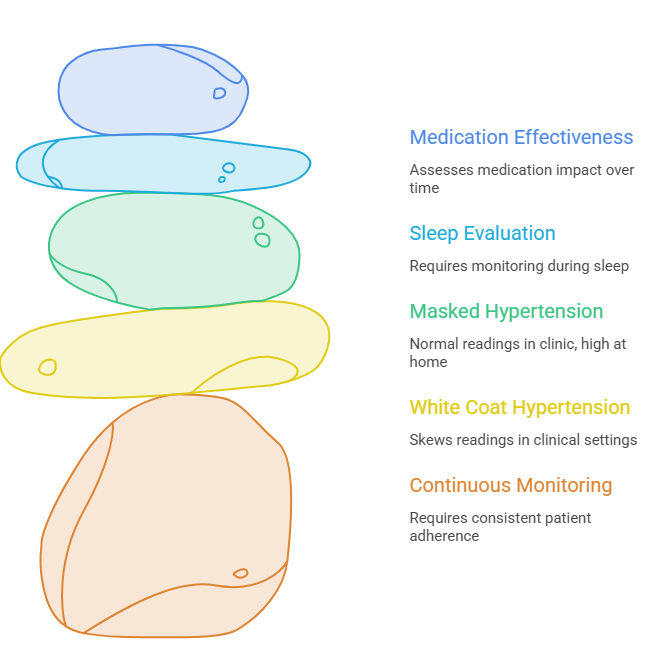
1. Provides Continuous Blood Pressure Monitoring
Unlike a single blood pressure measurement in the clinic, 24-hour ambulatory blood pressure monitoring records multiple readings throughout the day and night.
This continuous tracking helps doctors understand how blood pressure changes during daily activities, work, exercise, stress, and sleep. The detailed data provides a more accurate assessment of blood pressure patterns and helps diagnose hypertension more effectively.
2. Detects White Coat Hypertension
Some people experience high blood pressure only during doctor’s visits due to anxiety or nervousness. This condition, known as white coat hypertension, can lead to misleading clinical results.
Ambulatory BP monitoring records blood pressure in a normal environment, helping cardiologists determine whether the elevated readings are temporary or indicate a genuine blood pressure problem that requires treatment.
3. Helps Identify Masked Hypertension
Masked hypertension occurs when blood pressure appears normal during a clinic visit but remains high during everyday activities. Because routine blood pressure checks may miss this condition, it can increase the risk of heart disease without warning signs.
Ambulatory BP monitoring helps uncover hidden hypertension early, allowing timely treatment and reducing the risk of future cardiovascular complications.
4. Evaluates Blood Pressure During Sleep
Night time blood pressure is an important indicator of cardiovascular health. This monitoring device continues to record while the patient sleeps, helping doctors assess whether blood pressure is falling normally during the night.
Abnormal nighttime readings may be associated with an increased risk of heart attack, stroke, and other serious heart problems. This information cannot be obtained with standard clinical blood pressure tests.
5. Assesses Effectiveness of Blood Pressure Medication
For patients already taking medication for hypertension, ambulatory BP monitoring helps evaluate how well the treatment works throughout the day and night.
The results will show whether your blood pressure is under control between doses and help your cardiologist make any necessary adjustments. This improves blood pressure control, improves treatment outcomes, and increases long-term protection against cardiovascular disease.
Procedure of 24 Hours Ambulatory BP Monitoring
The ambulatory BP monitoring procedure is simple and convenient. A blood pressure cuff is fitted around the upper arm and connected to a small portable recording device worn around the waist or shoulder.
This monitor automatically records your blood pressure at regular intervals, typically every 15 to 30 minutes during the day and every 30 to 60 minutes at night. The patient continues with normal activities, but is advised not to move the arm during the measurement.
After 24 hours, the device is returned to the clinic, where the recorded data is analyzed by a cardiologist to identify blood pressure trends and deviations.
Benefits of 24 Hours Ambulatory BP Monitoring
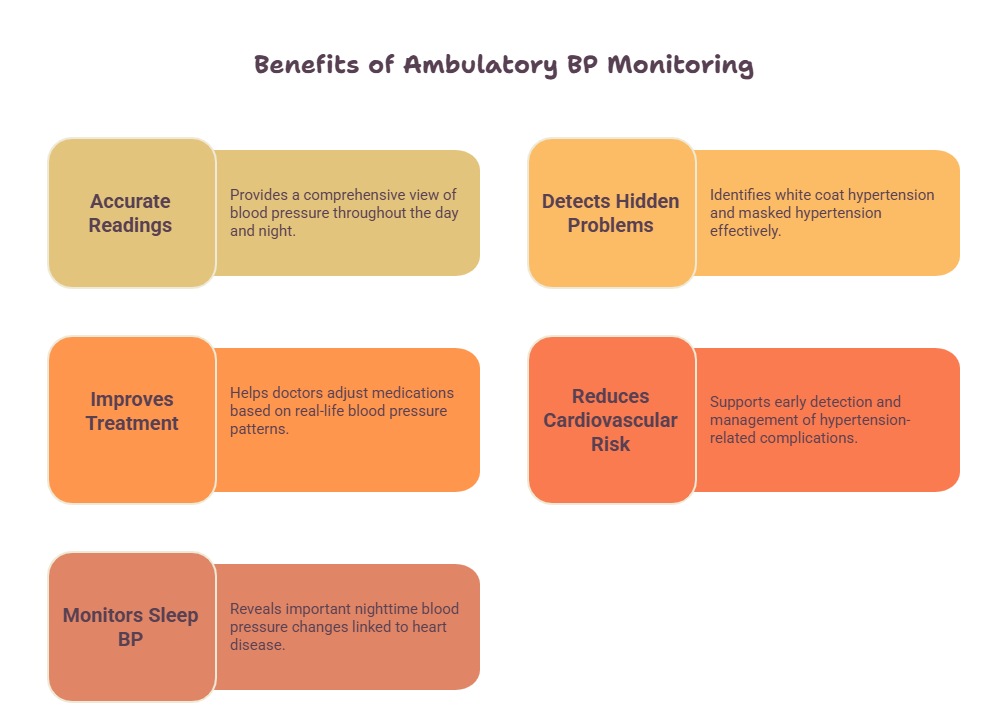
1. More Accurate Than Single Clinic Readings: Provides a comprehensive view of blood pressure throughout the day and night.
2. Detects Hidden Blood Pressure Problems: Identifies white coat hypertension and masked hypertension effectively.
3. Improves Treatment Decisions: Helps doctors adjust medications based on real-life blood pressure patterns.
4. Reduces Cardiovascular Risk: Supports early detection and management of hypertension-related complications.
5. Monitors Blood Pressure During Sleep: Reveals important nighttime blood pressure changes linked to heart disease.
Cost of Ambulatory BP Monitoring in India
The ambulatory BP monitoring cost in India generally ranges between ₹1,500 and ₹5,000, depending on the healthcare facility, technology used, and city.
Costs may vary depending on the heart center and level of testing provided. Although prices vary, this test remains one of the most valuable tools for accurately diagnosing hypertension and assessing cardiovascular risk.
Why Choose Dr. Manish Juneja for Blood Pressure Monitoring?
Choosing the right cardiologist is important to accurately diagnose and effectively treat blood pressure and heart disease. Dr. Manish Juneja is a cardiologist and is recognized as one of the Trusted cardiologists in Nagpur, offering comprehensive cardiac care using advanced diagnostic techniques and personalized treatment plans.
Patients can access a wide range of services including 24 Hours Ambulatory BP Monitoring, ECG, 2D Echo, TMT (Stress Test), Holter Monitoring, Coronary Angiography, Angioplasty, Heart Failure Management, Hypertension Treatment, Preventive Cardiology, and Cardiac Risk Assessment.
With a patient-focused approach and modern cardiac facilities, the goal is to ensure early diagnosis, effective treatment, and long-term heart health.
Conclusion
Daily ambulatory blood pressure monitoring is one of the most effective methods for accurately diagnosing arterial hypertension and assessing blood pressure dynamics throughout daily life. This helps identify hidden blood pressure problems, improve treatment decisions and reduce the risk of serious heart complications.
Early diagnosis and regular monitoring are essential to maintain healthy blood pressure and protect your cardiovascular system. If you are experiencing fluctuating blood pressure readings, hypertension symptoms, or require expert heart evaluation, consult Dr. Manish Juneja – The Heart Specialist.
Visit our Contact Us page or Book an Appointment today to receive advanced cardiac care and personalized treatment for long-term heart health.
Reference:
https://my.clevelandclinic.org/health/diagnostics/16330-24-hour-ambulatory-blood-pressure-monitoring
https://pmc.ncbi.nlm.nih.gov/articles/PMC7356999/
FAQ’s
1. What is 24 Hours Ambulatory BP Monitoring?
24 Hours Ambulatory BP Monitoring is a diagnostic test that measures your blood pressure continuously over a full day and night while you perform normal daily activities.
2. Why is ambulatory BP monitoring more accurate than a regular BP check?
Unlike a single clinic reading, ambulatory monitoring records multiple readings throughout the day and night, providing a more accurate picture of your actual blood pressure levels.
3. Who should undergo 24 Hours Ambulatory BP Monitoring?
It is commonly recommended for patients with fluctuating blood pressure, suspected hypertension, white coat hypertension, masked hypertension, or those already receiving blood pressure treatment.
4. What is white coat hypertension?
White coat hypertension occurs when a person’s blood pressure rises temporarily during a doctor’s visit due to anxiety or stress but remains normal during daily activities.
5. What is masked hypertension?
Masked hypertension is a condition where blood pressure appears normal during clinic visits but remains elevated during regular daily activities, increasing cardiovascular risk.
6. How is the ambulatory BP monitoring test performed?
A blood pressure cuff is placed around your upper arm and connected to a portable monitoring device that automatically records blood pressure at regular intervals for 24 hours.
7. Can I continue my normal routine during the test?
Yes. Patients are encouraged to continue most of their daily activities while wearing the monitor to obtain accurate blood pressure readings in real-life situations.
8. Is 24 Hours Ambulatory BP Monitoring painful?
No. The test is completely non-invasive and painless. You may only feel mild pressure when the cuff inflates to record blood pressure.
9. What is the cost of ambulatory BP monitoring in India?
The cost generally ranges from ₹1,500 to ₹5,000 depending on the hospital, city, technology used, and specialist consultation.
10. How can ambulatory BP monitoring help protect heart health?
The test helps detect hidden blood pressure abnormalities, evaluate treatment effectiveness, and reduce the risk of heart attack, stroke, heart failure, and other cardiovascular complications through early diagnosis and proper management.