
Ambulatory Blood Pressure Monitoring (ABPM) is a modern diagnostic test used to measure blood pressure continuously over a 24-hour period while the patient carries out regular daily activities.
The ABPM test full form is Ambulatory Blood Pressure Monitoring. Unlike a single blood pressure reading taken in a clinic, an ABPM test records multiple readings during the day and night, helping doctors understand true blood pressure patterns and diagnose hypertension more accurately.
What is an ABPM Test?
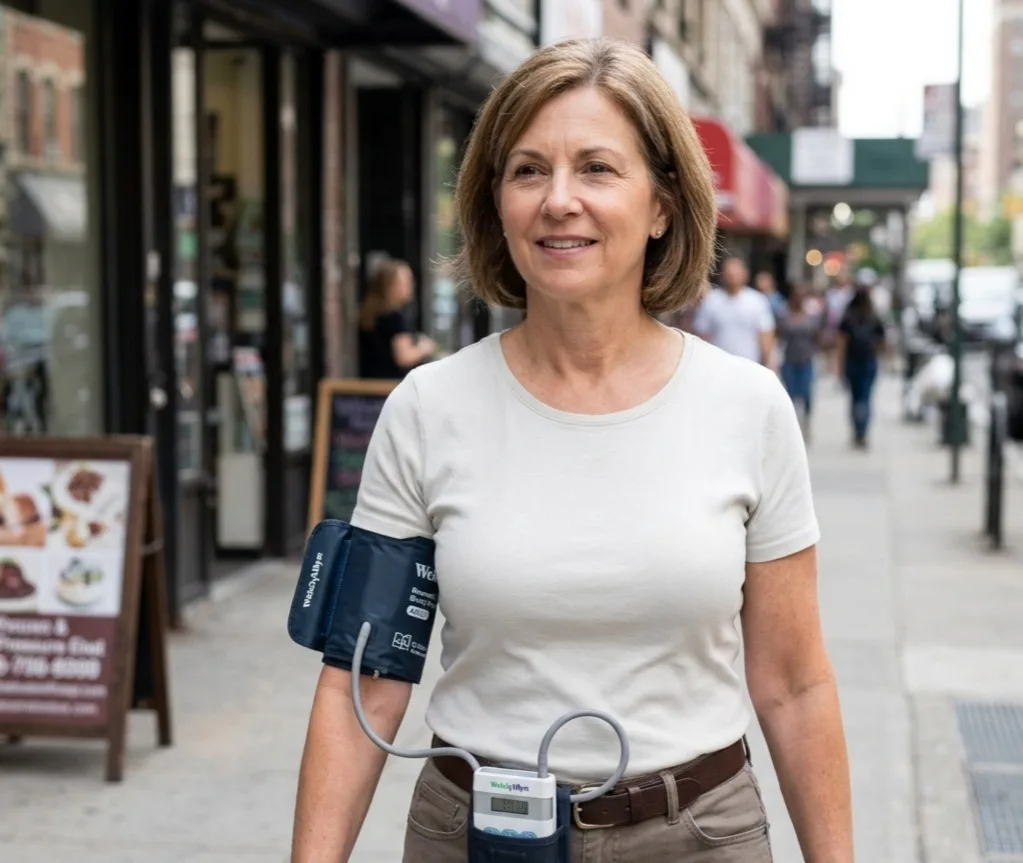
An ABPM test is a portable blood pressure monitoring procedure designed to provide detailed information about how blood pressure changes throughout the day. A compact digital monitor connected to a cuff placed on the upper arm records readings automatically at fixed intervals, including during sleep. This advanced monitoring helps identify abnormal blood pressure variations that may not be visible during a routine clinic visit.
Why is Ambulatory BP Monitoring (ABPM) Recommended?
Your doctor may advise an ABPM test for several medical reasons:
Confirming High Blood Pressure
ABPM helps diagnose hypertension accurately by measuring blood pressure over a complete 24-hour cycle.
Detecting White Coat Hypertension
Some individuals show elevated blood pressure only in medical settings due to stress or anxiety. ABPM helps distinguish this condition from true hypertension.
Identifying Hidden Blood Pressure Problems
In some cases, clinic blood pressure readings appear normal while daily readings remain elevated. ABPM helps detect these hidden concerns.
Evaluating Medication Effectiveness
The test allows doctors to check whether blood pressure medicines are working effectively throughout the day and night.
Assessing Night-Time Blood Pressure
Night-time blood pressure plays an important role in cardiovascular health. ABPM helps identify abnormal sleep-related blood pressure patterns.
How is the ABPM Test Performed?
1. Preparation Before the Test
- Wear loose-fitting clothes for comfortable cuff placement.
- Continue prescribed medicines unless advised otherwise.
- Maintain normal daily routine during the monitoring period.
2. Device Placement
- A BP cuff is fitted around the upper arm and connected to a lightweight recording device.
- The monitor is worn on a waist belt or shoulder strap for approximately 24 hours.
3. Monitoring Period
- The device automatically records blood pressure at regular intervals.
- Patients are encouraged to continue daily work, walking, and routine activities.
- A diary may be maintained to record sleep timing, exercise, stress, or symptoms.
4. Completion of Monitoring
After 24 hours, the monitor is removed and the stored blood pressure readings are reviewed by the cardiologist for diagnosis and treatment planning.
What Happens After the Test?
After completing the Ambulatory Blood Pressure Monitoring (ABPM) test, the device is removed and the recorded blood pressure readings are carefully analyzed by the doctor.
The results help identify blood pressure fluctuations during daily activities and sleep. Based on the findings, your doctor may confirm hypertension, adjust medications, recommend lifestyle changes, or advise additional investigations if necessary. A follow-up consultation is usually scheduled to discuss the report and create an appropriate treatment plan.
Risks and Safety
ABPM is a safe, painless, and non-invasive test. Some patients may notice temporary discomfort due to cuff inflation or mild sleep disturbance during overnight monitoring, but these effects are usually minor and temporary.
Precautions After ABPM Test
Resume Routine Activities
Once the monitor is removed, patients can return to normal daily activities without restrictions.
Review Your Results
Consult your doctor to understand the findings and discuss further management if required.
Continue Healthy Lifestyle Habits
Maintain a balanced diet, regular physical activity, and reduced salt intake for better blood pressure control.
Follow Prescribed Treatment
Take medications regularly if advised and do not discontinue treatment without medical guidance.
Avoid Self-Diagnosis
Only a medical expert should interpret ABPM readings and recommend treatment.
Monitor Blood Pressure Regularly
Regular BP checks and follow-up consultations help maintain long-term cardiovascular health.