
Coronary artery bypass grafting (CABG), commonly known as heart bypass surgery, is a surgical treatment used to improve blood flow to the heart when coronary arteries become severely narrowed or blocked. During the procedure, a healthy blood vessel is used to create a new route around the blocked artery.
For patients with complex coronary artery disease, CABG may be considered when multiple arteries are significantly blocked or when other treatment options may not provide adequate blood flow. Dr. Manish Juneja provides detailed cardiac evaluation and helps patients understand suitable treatment options based on their heart condition.
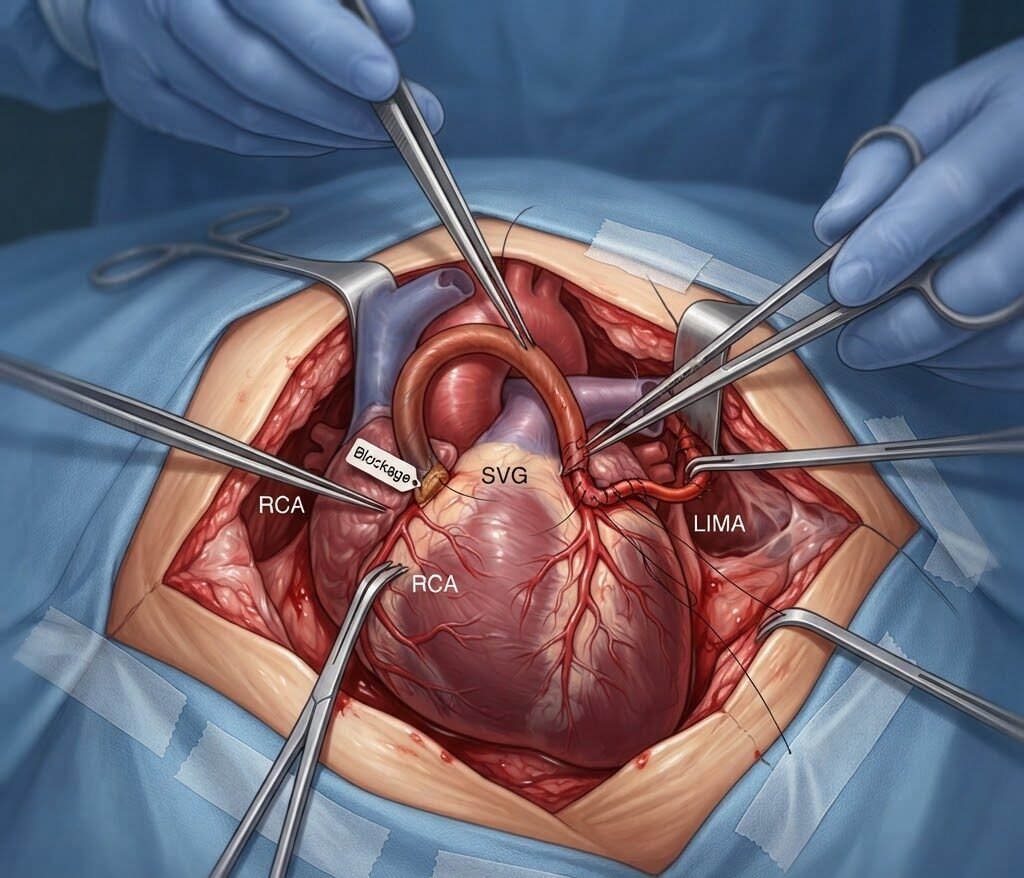
What is Coronary Artery Bypass Grafting?
CABG is a heart surgery performed to bypass blocked or narrowed coronary arteries. A blood vessel taken from another part of the body is connected to the coronary artery beyond the blockage, creating an alternate pathway for blood flow.
The main purpose of coronary bypass surgery is to improve blood supply to the heart muscle and reduce symptoms related to severe coronary artery disease.
When is CABG Surgery Recommended?
CABG may be considered in patients with:
- Severe narrowing in multiple coronary arteries
- Significant blockage in important coronary arteries
- Persistent angina despite medicines or other treatment
- Complex coronary artery disease
- Certain cases where angioplasty may not be suitable
The decision for bypass surgery depends on angiography findings, heart function, overall health, and the location and severity of coronary blockages.
When May Catheter Ablation Be Recommended?
A cardiologist may consider ablation when a patient has:
- Recurrent symptomatic arrhythmias
- Palpitations or rapid heartbeat episodes
- Arrhythmias that continue despite medication
- Medication-related side effects
- A rhythm disorder for which ablation is an appropriate treatment option
- Recurrent VT requiring specialized rhythm management
Before recommending the procedure, the cardiologist evaluates the type of arrhythmia, symptoms, heart function, previous investigations, and overall health.
How is Heart Bypass Surgery Performed?
Before surgery, the patient undergoes detailed cardiac evaluation and required investigations. During CABG, the cardiac surgical team uses a healthy blood vessel as a graft to create a new route around the blocked coronary artery.
Depending on the patient’s condition and surgical plan, one or more grafts may be required. After surgery, the patient is monitored closely in a cardiac care setting before beginning the recovery process.
Benefits of CABG
Coronary artery bypass grafting can help:
- Improve blood flow to the heart
- Reduce symptoms such as angina
- Improve daily activity and exercise tolerance
- Reduce complications associated with severe coronary artery disease
- Provide a treatment option for selected patients with complex blockages
CABG is not a cure for the underlying risk factors of coronary artery disease, so long-term lifestyle changes and medical follow-up remain important.
Risks and Possible Complications
Like other major surgeries, CABG has potential risks. These may include bleeding, infection, irregular heart rhythm, blood clots, breathing problems, kidney problems, or complications related to existing health conditions.
The individual risk varies according to age, heart function, diabetes, kidney health, severity of coronary disease, and other medical factors. Your cardiac team will discuss the expected benefits and risks before surgery.
Precautions Before and After CABG Surgery
Precautions Before CABG Surgery
Patients should follow the surgical team’s instructions regarding medicines, food and fluid intake, smoking, and required investigations. Inform the doctor about all medicines, allergies, diabetes, blood pressure problems, or other existing medical conditions.
Do not stop blood thinners or other prescribed medicines on your own. Follow the exact instructions provided before admission and surgery.
Precautions After CABG Surgery
After bypass surgery, adequate rest and gradual physical activity are important. Keep the surgical wound clean and follow the prescribed medication schedule. Avoid lifting heavy objects or performing strenuous activities until your doctor allows them.
Attend scheduled follow-up appointments and cardiac rehabilitation if recommended. A heart-healthy diet, regular activity, smoking cessation, and control of cholesterol, blood pressure, and diabetes can support long-term heart health.