
ASD, VSD, and PDA are congenital heart defects that can alter normal blood circulation and heart function. In selected cases, catheter-based device closure may provide a minimally invasive treatment option instead of conventional surgery.
Dr. Manish Juneja offers evaluation and interventional cardiac care in Nagpur, with treatment planning based on the defect, symptoms, heart function, and individual patient needs.
What Are ASD, VSD and PDA?
- ASD (Atrial Septal Defect): An opening between the upper chambers of the heart.
- VSD (Ventricular Septal Defect): An opening between the lower chambers.
- PDA (Patent Ductus Arteriosus): A blood-vessel connection that remains open after birth.
The need for treatment depends on the defect, blood flow, symptoms, heart function, and overall health.
How Does Device Closure Work?
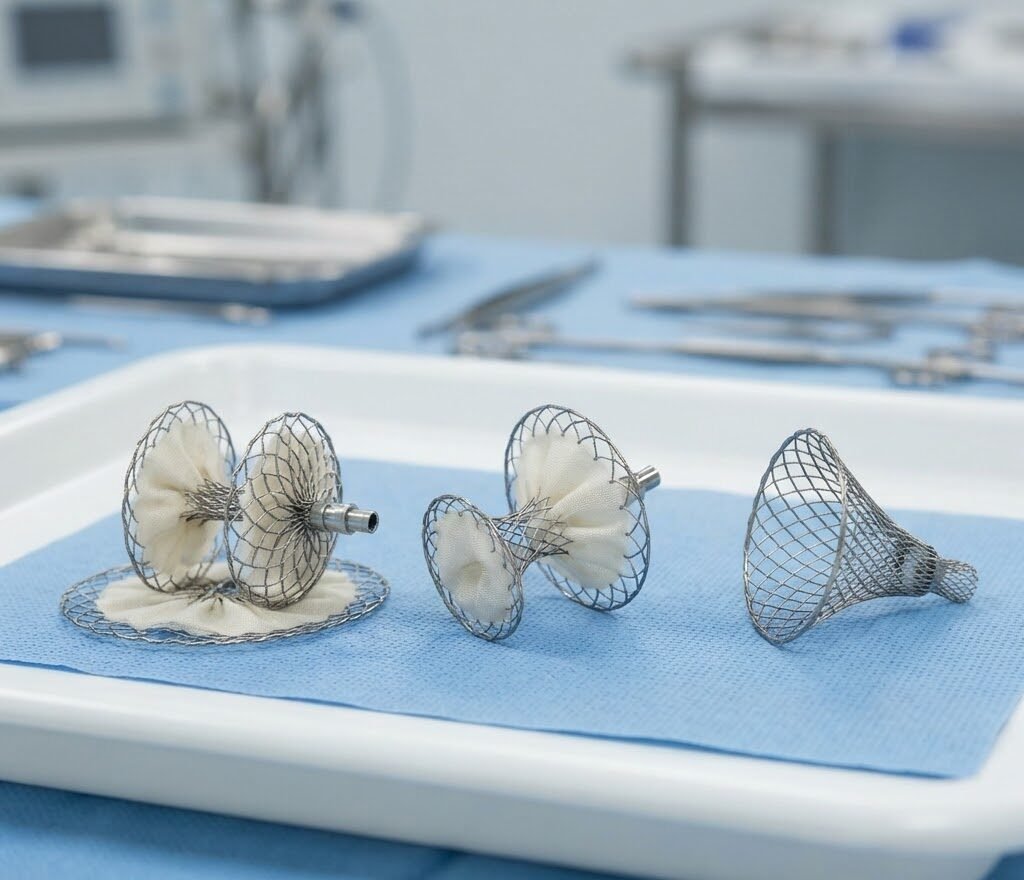
During device closure, a thin catheter is guided through a blood vessel to the heart. A specially designed closure device is positioned across the defect to stop abnormal blood flow. Imaging is used during the procedure to confirm the device position and effectiveness.
Device closure is considered only when the defect’s size, location, and anatomy are suitable.
When May Device Closure Be Required?
Your cardiologist may consider closure when a defect causes significant abnormal blood flow or affects the heart and lungs. Evaluation may include 2D Echo, Doppler echocardiography, ECG, and other cardiac investigations as required.
Benefits of Device Closure
- Minimally invasive treatment
- No large chest incision
- Catheter-based approach for suitable defects
- Helps correct abnormal blood flow
- Allows follow-up monitoring of heart function
Precautions Before ASD / VSD / PDA Device Closure
Complete Recommended Tests
Complete all cardiac imaging and investigations advised by your doctor.
Share Medical Information
Inform your doctor about allergies, health conditions, and current medicines.
Discuss Blood-Thinning Medicines
Ask your cardiologist about any anticoagulant or antiplatelet medicines before treatment.
Report Recent
Illness
Inform the medical team about fever, infection, or recent health changes.
Follow Fasting Instructions
Follow the hospital’s instructions regarding food and fluids before the procedure.
Keep Reports
Ready
Bring previous echocardiograms, cardiac reports, prescriptions, and treatment records.