
A permanent pacemaker is a small electronic device used to help maintain an appropriate heart rate when the heart beats too slowly or its electrical system does not function properly. The device sends electrical impulses to the heart when needed, helping maintain a regular rhythm.
Pacemaker implantation is generally considered for selected patients with conditions such as symptomatic bradycardia, certain heart blocks, or other clinically significant conduction problems. Dr. Manish Juneja provides advanced cardiac care and has a special interest in pacemakers and advanced cardiac therapies.
When Is a Permanent Pacemaker Needed?
A cardiologist may recommend pacemaker implantation when a patient has:
- Persistent or symptomatic slow heart rate
- Certain types of heart block
- Repeated dizziness or fainting related to a rhythm problem
- Electrical conduction abnormalities
- Other conditions where the heart’s natural pacing is inadequate
The decision depends on the ECG findings, symptoms, underlying heart condition, and overall health of the patient.
How Is Pacemaker Implantation Performed?
1. Pre-Procedure Evaluation
The cardiologist reviews ECG, Holter monitoring, medical history, medications, and other relevant cardiac investigations.
2. Device Placement
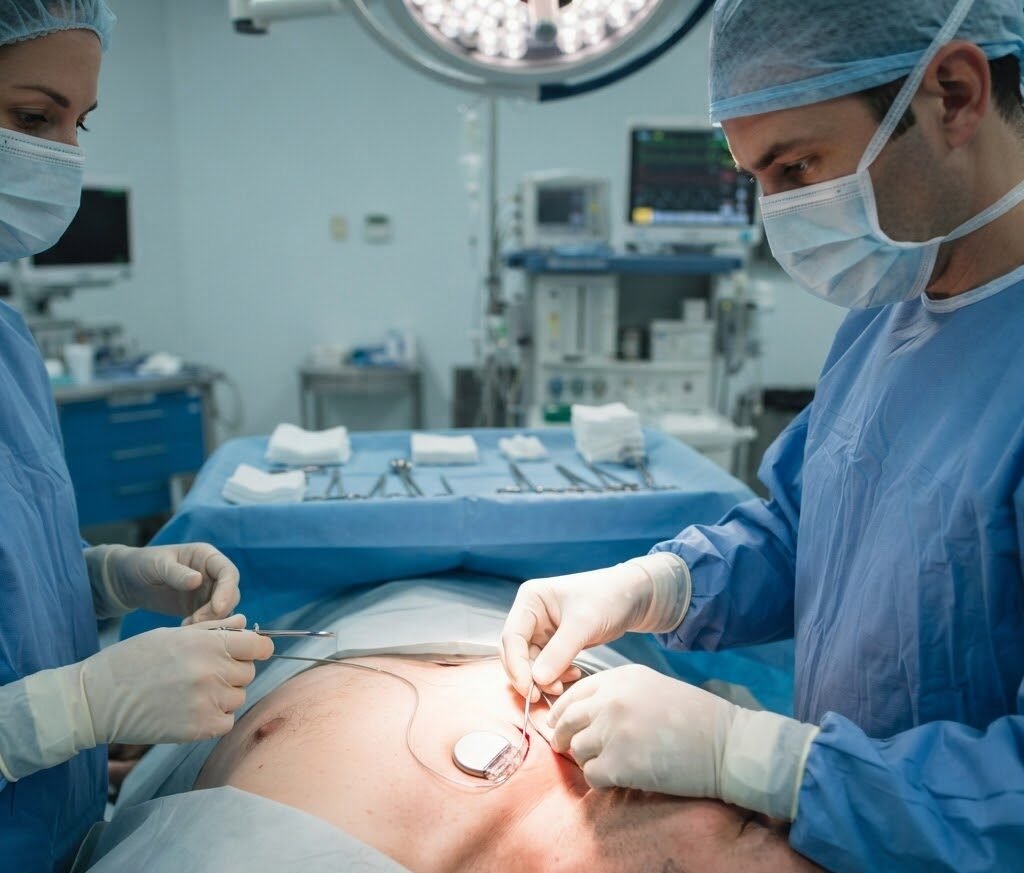
After local anesthesia, a small incision is made, usually below the collarbone. One or more thin leads are guided through a vein into the appropriate chamber of the heart.
3. Connecting the Pacemaker
The leads are connected to the pacemaker generator, which is positioned beneath the skin.
4. Device Testing
The pacemaker is checked and programmed according to the patient’s heart rhythm and individual requirements.
5. Recovery and Monitoring
The patient is monitored after implantation, and follow-up is arranged to check wound healing and device performance.
Types of Pacemakers
The type of pacemaker depends on the patient’s rhythm disorder and clinical requirement.
- Single-chamber pacemaker: Uses one lead to stimulate one heart chamber.
- Dual-chamber pacemaker: Uses leads to coordinate activity between the atrium and ventricle.
- Leadless pacemaker: A compact device placed directly inside the heart in selected patients.
Your cardiologist determines which device is most appropriate after evaluation.
Benefits of Permanent Pacemaker Implantation
For suitable patients, a pacemaker may help:
- Maintain an appropriate heart rate
- Reduce symptoms caused by a slow heartbeat
- Improve exercise tolerance in selected cases
- Prevent complications related to certain severe conduction disorders
- Improve day-to-day quality of life
Precautions After Pacemaker Implantation
1. Protect the Implantation Area
Keep the wound clean and dry as advised. Report increasing redness, swelling, discharge, or pain around the device site.
2. Limit Arm Strain Initially
Avoid heavy lifting and excessive movement of the arm on the implantation side until your cardiologist advises that normal activity can resume.
3. Take Medicines as Directed
Continue prescried medicines according to your doctor’s instructions and do not make changes without consultation.
4. Give Your Body Time to Recover
Avoid heavy lifting and strenuous activities until your cardiologist advises that you can resume them.
5. Keep Track of Your Heart Rhythm
Some patients may notice occasional palpitations during recovery. Keep track of persistent or worsening symptoms and discuss them during follow-up.
6. Do Not Miss Follow-Up
Attend your scheduled appointments so your cardiologist can assess your rhythm, review medicines, and determine whether further monitoring is required.